

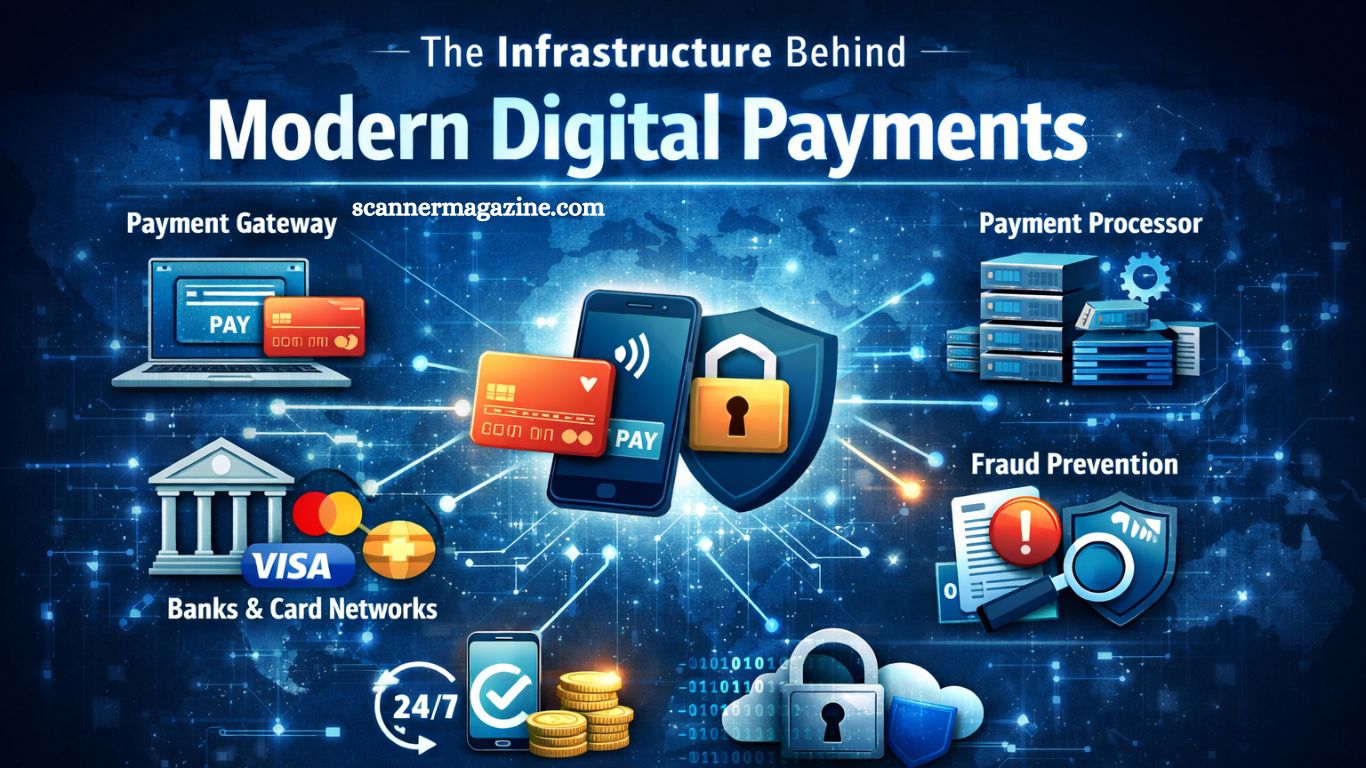
Digital payments have transformed the way businesses and consumers exchange value, demanding speed, security, and reliability. At the core of this evolution lies a complex infrastructure that powers every transaction, from mobile wallets to online banking. Building the backbone of modern digital payments involves integrating advanced technologies, robust networks, and secure protocols to ensure seamless processing and real-time settlements.
This system not only supports financial institutions and payment processors but also enhances user trust by safeguarding sensitive data. Understanding this infrastructure is essential for businesses and developers aiming to innovate in the digital finance space, optimize transaction efficiency, and stay ahead in a fast-evolving, highly competitive payments ecosystem.
The Evolution of Digital Payments
Digital payments are not a sudden phenomenon. Their journey began with early electronic fund transfers in the 1970s and evolved through credit card networks, online banking, and mobile payment solutions. Today, services like digital wallets, contactless cards, and peer-to-peer (P2P) apps dominate the landscape. The rise of e-commerce, mobile devices, and instant payment expectations has pushed the development of advanced payment infrastructures capable of handling billions of transactions globally.
The demand for faster, frictionless payments has encouraged innovation, making real-time settlements and cross-border transactions increasingly common. This evolution reflects not only technological advancement but also a shift in consumer behavior, where convenience, transparency, and security are paramount.
Read More: NewsBusinessTimes Review: Complete Guide for Entrepreneurs
Key Components of Digital Payment Infrastructure
Building a robust digital payment system requires an intricate combination of technologies, networks, and protocols. The following components form the backbone of modern digital payments:
Payment Gateways
Payment gateways act as the bridge between merchants and financial institutions. They securely transmit transaction information, authenticate user details, and verify the availability of funds. Modern gateways support multiple payment methods, including credit/debit cards, digital wallets, and cryptocurrencies. Advanced gateways also employ AI-driven fraud detection to prevent unauthorized transactions, ensuring customer trust.
Payment Processors
Payment processors handle the authorization, clearing, and settlement of transactions. They coordinate with banks, credit card networks, and other financial institutions to ensure funds are processed accurately and promptly. Efficient processors are crucial for maintaining smooth cash flow for businesses and reducing transaction errors that could disrupt consumer experiences.
Security Protocols
Security is the cornerstone of digital payments. End-to-end encryption, tokenization, and multi-factor authentication protect sensitive data from cyber threats. Regulatory standards such as PCI DSS (Payment Card Industry Data Security Standard) enforce compliance across platforms, safeguarding both users and businesses from potential breaches.
Financial Networks
Behind the scenes, complex financial networks facilitate the transfer of funds. Networks such as SWIFT, ACH, and card schemes (Visa, Mastercard) connect banks and financial institutions worldwide. These networks ensure interoperability, enabling seamless cross-border transactions and supporting a growing global economy.
Mobile and Digital Wallets
Mobile apps and digital wallets have become the preferred choice for consumers seeking convenience. These platforms securely store payment credentials, offer instant transaction processing, and often integrate rewards and loyalty programs. Their success relies on robust backend infrastructure capable of handling high volumes of simultaneous transactions.
The Role of Emerging Technologies
Emerging technologies continue to reshape digital payment infrastructure, enhancing speed, security, and scalability.
Blockchain and Cryptocurrencies
Blockchain technology offers decentralized, tamper-proof ledgers that facilitate secure, transparent transactions. Cryptocurrencies like Bitcoin and Ethereum are increasingly accepted for payments, requiring specialized infrastructure to integrate with traditional financial systems. Blockchain also enables smart contracts, automating payment processes while reducing errors.
Artificial Intelligence and Machine Learning
AI and machine learning enhance fraud detection, personalize user experiences, and optimize payment routing. By analyzing transaction patterns in real-time, AI can flag suspicious activity instantly, reducing chargebacks and losses. Machine learning also supports predictive analytics, helping businesses understand consumer behavior and streamline payment operations.
Cloud Computing
Cloud-based infrastructure offers scalability, flexibility, and cost efficiency. Payment providers can handle massive transaction volumes without heavy upfront investments in physical servers. Cloud platforms also enable faster deployment of new features and ensure business continuity through reliable disaster recovery solutions.
API Integrations
APIs (Application Programming Interfaces) connect diverse systems, allowing seamless interaction between payment gateways, banks, and merchant platforms. They simplify integration for developers, enable real-time data transfer, and support the creation of innovative fintech solutions tailored to specific business needs.
Challenges in Modern Digital Payment Systems
Despite rapid advancements, digital payment infrastructure faces ongoing challenges:
- Cybersecurity Threats: Sophisticated hacking attempts, phishing, and ransomware attacks demand constant vigilance and updated security protocols.
- Regulatory Compliance: Financial regulations vary by country, requiring payment providers to maintain global compliance while ensuring smooth operations.
- Scalability: Rapidly growing transaction volumes can strain infrastructure, leading to downtime or slower processing speeds if not managed effectively.
- Interoperability: Ensuring that different payment systems and networks communicate seamlessly remains a challenge, especially for cross-border transactions.
Addressing these challenges requires continuous investment in technology, partnerships, and skilled talent to maintain reliability and user trust.
The Future of Digital Payment Infrastructure
The future promises an even more integrated, real-time, and intelligent payment ecosystem. Key trends shaping the next decade include:
- Instant Payments: Faster settlement systems will eliminate delays, providing businesses and consumers with immediate access to funds.
- Embedded Payments: Payments will be increasingly integrated into apps, services, and platforms, creating frictionless experiences.
- Decentralized Finance (DeFi): Blockchain-powered financial services may reduce reliance on traditional intermediaries, enabling peer-to-peer payments and lending.
- Enhanced AI Capabilities: Advanced AI will predict consumer behavior, proactively prevent fraud, and optimize transaction routing for cost and speed.
- Sustainable Payments: Green fintech initiatives will focus on energy-efficient payment solutions that reduce environmental impact without sacrificing speed or security.
These trends indicate that digital payment infrastructure will continue to evolve rapidly, requiring constant innovation and strategic foresight.
Frequently Asked Questions
What is digital payment infrastructure?
Digital payment infrastructure is the technology and systems that enable online and electronic transactions. It includes payment gateways, processors, financial networks, security protocols, and digital wallets that ensure secure, fast, and reliable payments.
How do payment gateways work?
Payment gateways act as intermediaries between merchants and financial institutions. They securely transmit transaction data, authorize payments, and verify funds, enabling customers to pay with cards, wallets, or other digital methods.
Why is security important in digital payments?
Security protects sensitive financial data from cyber threats. Encryption, tokenization, multi-factor authentication, and compliance with standards lsuch asPCI DSS ehelp builduser trust and prevent fraud.
What role does blockchain play in digital payments?
Blockchain provides a decentralized, tamper-proof ledger for secure and transparent transactions. It enables cryptocurrency payments and smart contracts, reducing the need for intermediaries and transaction errors.
How are AI and machine learning used in payments?
AI analyzes transaction patterns to detect fraud, optimize payment routing, and predict consumer behavior. Machine learning enhances efficiency, reduces chargebacks, and improves the user experience.
What are the main challenges of digital payment systems?
Challenges include cybersecurity threats, regulatory compliance, scalability issues, and ensuring interoperability across platforms and borders. Continuous technology upgrades are needed to address these.
What does the future of digital payments look like?
Future trends include instant payments, embedded payments in apps and services, decentralized finance (DeFi), AI-driven optimization, and sustainable, energy-efficient payment solutions.
Conclusion
The backbone of modern digital payments is a sophisticated network of technologies, systems, and security measures that enable fast, reliable, and secure transactions. From payment gateways and processors to emerging technologies such as blockchain and AI, each component plays a vital role in supporting businesses and enhancing user experiences.
