

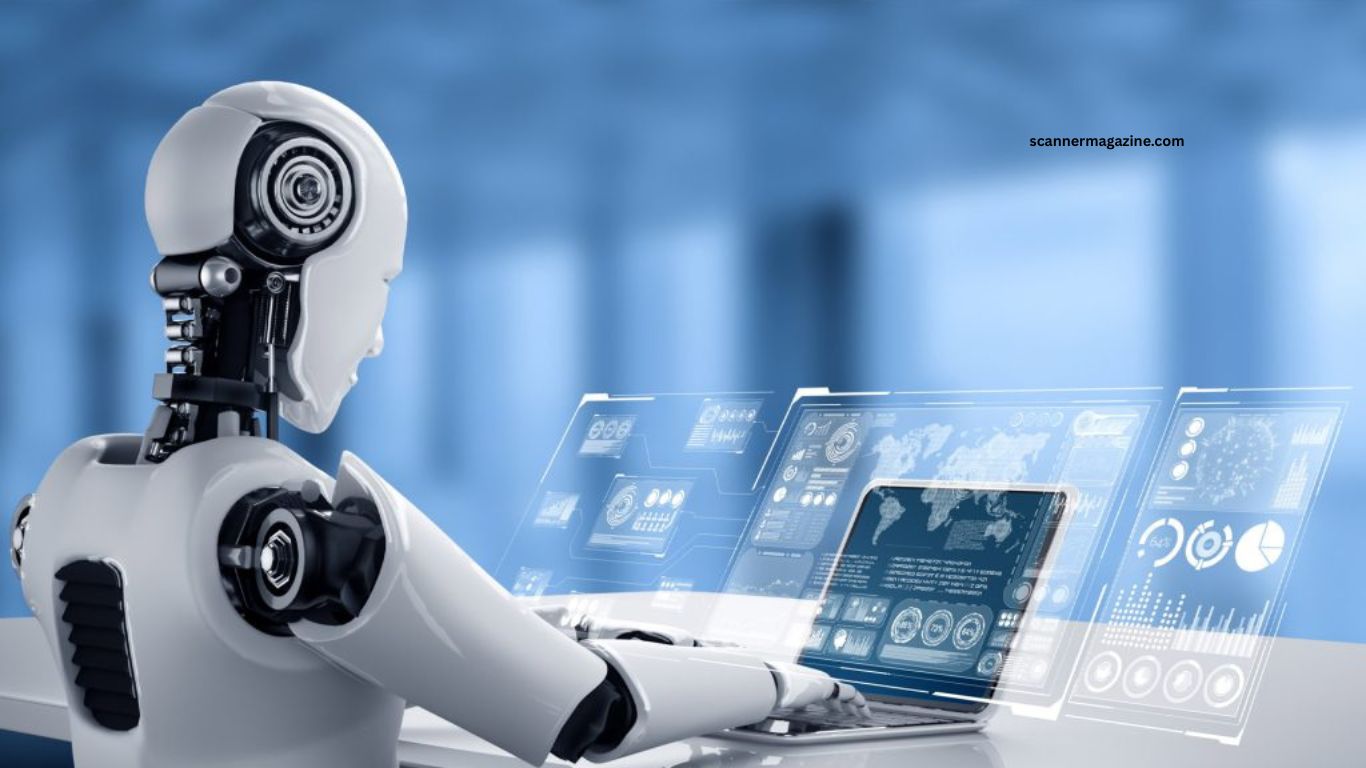
Automation is changing the workplace by transforming how businesses manage tasks, communicate with employees, and deliver products or services. From artificial intelligence and robotic systems to automated software and digital workflows, companies are adopting new technologies to improve efficiency and reduce repetitive work. These changes are creating a workplace where technology and human skills work together more closely.
Modern automation is no longer limited to factories and large industrial companies. Offices, healthcare organizations, financial institutions, retail businesses, marketing teams, and small companies are using automation to handle everyday processes. Understanding how automation is changing the workplace can help employees and businesses prepare for the future of work.
Read More: Digital Solutions Helping Businesses Grow Faster
What Is Workplace Automation?
Workplace automation refers to using technology to complete tasks that previously required manual human effort. Automated systems can process information, organize data, respond to customers, manage schedules, generate reports, and perform many repetitive activities.
Artificial intelligence has expanded the capabilities of workplace automation. Modern systems can analyze large amounts of information, recognize patterns, assist with decision-making, and support employees with complex workflows. Rather than replacing every human task, automation often focuses on improving productivity and allowing workers to spend more time on valuable responsibilities.
Automation Is Improving Workplace Productivity
One of the biggest effects of automation is improved productivity. Employees can spend less time completing repetitive processes and more time focusing on creative, strategic, and customer-focused work.
For example, automated software can organize documents, process routine requests, update databases, and generate regular reports. These capabilities reduce the amount of time required for administrative work while helping businesses maintain consistent processes.
Automation can also operate continuously, allowing certain business systems to perform tasks outside traditional working hours. Faster workflows can improve customer service and help organizations respond more quickly to changing market demands.
Artificial Intelligence Is Reshaping Daily Work
Artificial intelligence is becoming an important part of workplace automation. AI-powered tools can assist employees with writing, research, data analysis, customer communication, software development, and other professional activities.
Rather than treating AI as a complete replacement for employees, many organizations are using it as a productivity assistant. Workers can use AI to handle routine elements of a task while they remain responsible for reviewing information, making decisions, and applying professional judgment.
This combination can create a more efficient working environment. Employees who learn how to use AI responsibly may complete certain tasks faster while focusing their attention on areas where human experience remains important.
Automation Is Changing Job Roles
Automation is changing the responsibilities associated with many jobs. Some repetitive tasks may require fewer employees, while new roles can emerge around technology management, data analysis, cybersecurity, AI operations, and automation development.
This shift means employees increasingly need adaptable skills. Technical knowledge can be valuable, but communication, creativity, critical thinking, problem-solving, and leadership remain important because automated systems cannot fully replicate human judgment in every situation.
Instead of viewing workplace automation only as job replacement, it is more useful to understand it as a transformation of work. Certain responsibilities may disappear, while other responsibilities become more important.
Employees Need New Skills
The growth of automation is increasing demand for digital skills. Employees may need to understand automated software, AI tools, data systems, and digital collaboration platforms.
Continuous learning is becoming an important part of professional development. Workers who regularly improve their technical and interpersonal skills can adapt more easily as workplace technology evolves.
Businesses also have an important role in this transition. Providing training and learning opportunities can help employees understand new systems and use automation effectively rather than feeling threatened by technological change.
Automation Is Improving Customer Experience
Businesses are also using automation to improve customer interactions. Automated chat systems, email workflows, recommendation engines, appointment systems, and customer-support platforms can provide faster responses and personalized experiences.
Automation can handle simple customer questions while human employees focus on complicated problems that require empathy, negotiation, or specialized knowledge. This approach can create a balance between speed and human interaction.
When implemented carefully, workplace automation can reduce waiting times and make customer service more convenient without removing the human element completely.
Remote and Hybrid Work Are Becoming More Efficient
Automation is also supporting remote and hybrid workplaces. Digital platforms can automatically manage meetings, project updates, employee workflows, document sharing, and task notifications.
These tools help distributed teams stay organized even when employees work from different locations. Automated workflows can reduce communication gaps and ensure important tasks continue moving forward without requiring constant manual coordination.
As remote and hybrid work continue evolving, automation can become an important part of maintaining productivity and collaboration across geographically separated teams.
Challenges of Workplace Automation
Despite its advantages, automation creates challenges for businesses and employees. Workers may worry about job security when companies introduce technologies capable of performing familiar tasks.
Organizations also need to consider data privacy, cybersecurity, system reliability, and ethical decision-making. Poorly designed automation can create errors or make decisions without considering important human circumstances.
Another challenge is overdependence on technology. Automated systems require human oversight, especially when decisions can affect employees, customers, finances, or business operations. Successful automation therefore requires responsible implementation rather than simply adopting technology as quickly as possible.
The Future of Automation in the Workplace
Workplace automation is expected to become more intelligent and widely adopted as AI, robotics, cloud computing, and business software continue developing. Future workplaces will likely combine human expertise with increasingly capable automated systems.
Employees may spend less time on repetitive administrative work and more time solving problems, creating ideas, building relationships, and making strategic decisions. Businesses that successfully combine technology with human capabilities can create more flexible and productive working environments.
The future of work will not simply be about humans competing against machines. It will increasingly involve humans working alongside technology to accomplish tasks more efficiently and create greater value.
Frequently Asked Questions
How is automation changing the workplace?
Automation reduces repetitive tasks, improves productivity, and allows employees to focus on creative and strategic responsibilities.
Will automation replace human workers?
Automation may replace some repetitive tasks, but many jobs will continue requiring human judgment, creativity, communication, and problem-solving.
How does automation improve productivity?
Automated systems complete routine processes faster, reduce manual errors, and help employees manage their workload more efficiently.
What skills are important in an automated workplace?
Digital literacy, critical thinking, creativity, communication, problem-solving, and adaptability are increasingly valuable skills.
How does AI support workplace automation?
AI can analyze information, automate workflows, assist with communication, generate content, and support employees with decision-making.
What is the future of workplace automation?
The future will likely involve closer collaboration between employees and intelligent technologies, creating more efficient and flexible workplaces.
Conclusion
Automation is changing the workplace by improving productivity, transforming job responsibilities, supporting employees, and creating new opportunities for businesses. Artificial intelligence and automated systems are making routine processes faster while allowing workers to focus on creativity, decision-making, and meaningful professional responsibilities. As technology continues advancing, adaptability will become one of the most valuable workplace qualities.
