

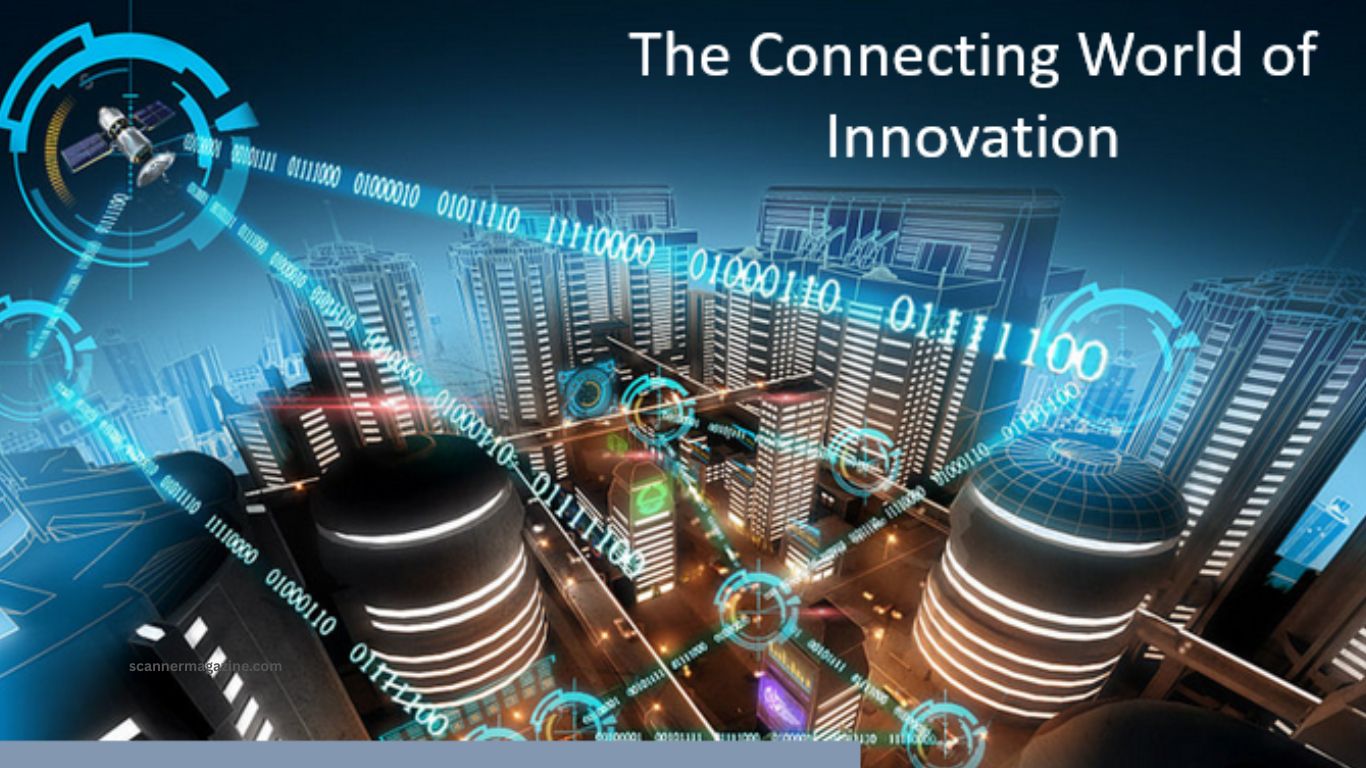
Innovation has become a powerful force shaping modern life. From artificial intelligence and smart devices to advanced communication networks and digital platforms, new technologies are changing how people work, learn, communicate, and solve everyday problems. A connected world depends on continuous innovation to make digital experiences faster, smarter, safer, and more accessible.
The role of innovation extends beyond technology. It influences businesses, education, healthcare, transportation, communication, and social development. As global connectivity continues to expand, innovative ideas help societies adapt to changing needs while creating new opportunities for growth and progress.
Read More: Technology Predictions That Could Become Reality
Understanding Innovation in a Connected World
Innovation means developing new ideas, products, services, or methods that create meaningful improvements. In a connected world, innovation often combines technology with human creativity to solve complex challenges.
Cloud computing, artificial intelligence, the Internet of Things, 5G connectivity, automation, and data analytics are examples of innovations transforming modern environments. These technologies allow devices, businesses, and people to exchange information quickly while supporting more efficient decision-making.
Innovation and Digital Connectivity
Digital connectivity has removed many traditional barriers between people and organizations. High-speed internet, smartphones, cloud platforms, and collaboration tools allow individuals to communicate across borders within seconds.
Innovation strengthens this connectivity by introducing smarter communication systems. Video conferencing, instant messaging, digital payments, online communities, and collaborative platforms have created new ways to interact personally and professionally.
Businesses can now connect with customers worldwide, while remote teams can work together without sharing the same physical location. This level of connectivity has created a more flexible and interconnected global environment.
The Impact of Innovation on Businesses
Innovation plays an important role in business growth. Companies use advanced technologies to improve productivity, understand customers, reduce operational costs, and develop competitive products.
Artificial intelligence can analyze large amounts of data and identify useful patterns. Automation can handle repetitive tasks, allowing employees to focus on creative and strategic responsibilities. Cloud technology provides flexible access to digital resources, helping businesses scale operations efficiently.
Innovative companies can respond faster to changing customer expectations. Organizations that continue investing in research, technology, and creative thinking are better positioned to remain competitive in rapidly changing markets.
Innovation in Healthcare
Healthcare has experienced major changes through technological innovation. Digital health platforms, wearable devices, telemedicine, artificial intelligence, and advanced diagnostic technologies are improving how healthcare services are delivered.
Connected devices can collect useful health information and support continuous monitoring. Telemedicine allows patients to communicate with healthcare professionals remotely, improving access for people who face geographical or transportation challenges.
Artificial intelligence can also assist medical professionals with data analysis and diagnostic support. These developments demonstrate how innovation can contribute to more accessible, efficient, and personalized healthcare systems.
Innovation in Education
Education is becoming more connected through digital learning platforms and interactive technologies. Students can access educational resources from almost anywhere, while teachers can use digital tools to create engaging learning experiences.
Online classrooms, virtual laboratories, artificial intelligence tutoring systems, and educational applications provide new approaches to learning. Students can explore subjects at their own pace and access resources beyond traditional classroom boundaries.
Innovation also supports personalized education. Digital systems can analyze learning patterns and provide content suited to individual needs, helping create more flexible learning environments.
Smart Cities and Connected Communities
Innovation is transforming cities into smarter and more efficient communities. Smart traffic systems, connected public transportation, intelligent energy networks, and environmental monitoring technologies help cities manage resources more effectively.
Internet of Things devices can collect real-time information from roads, buildings, energy systems, and public facilities. City authorities can use this information to improve services and respond to problems more efficiently.
Smart city innovation can also support sustainability by reducing energy waste, improving transportation efficiency, and encouraging responsible resource management.
Innovation and Everyday Life
Innovation has become part of everyday routines. Smartphones, smart home systems, digital banking, streaming services, navigation applications, and voice assistants simplify many daily activities.
Connected devices can communicate with each other and automate routine tasks. Smart lighting, security systems, appliances, and energy management tools provide greater convenience while helping users manage their homes more efficiently.
Digital payment technologies have also changed how people purchase products and services. Fast and secure transactions have made financial activities more convenient for millions of users.
The Importance of Sustainable Innovation
Innovation should not focus only on speed and convenience. Sustainable innovation is becoming increasingly important as societies face environmental challenges.
Renewable energy technologies, electric vehicles, energy-efficient systems, smart agriculture, and advanced recycling solutions can support a more sustainable future. Technology can help organizations monitor resource consumption and identify opportunities to reduce waste.
Responsible innovation balances economic progress with environmental and social needs. This approach can create long-term benefits without placing unnecessary pressure on future generations.
Challenges Created by Rapid Innovation
Rapid technological progress also creates challenges. Data privacy, cybersecurity, digital inequality, misinformation, job displacement, and ethical concerns require careful attention.
As more personal and business information moves online, protecting digital systems becomes increasingly important. Organizations must adopt strong cybersecurity practices and responsible data management policies.
Digital inequality remains another concern. People without reliable internet access or modern digital devices may struggle to benefit from technological progress. Expanding affordable connectivity and digital education can help create a more inclusive connected world.
The Future of Innovation
The future of innovation will likely involve deeper integration between artificial intelligence, robotics, connected devices, biotechnology, advanced computing, and communication networks.
AI-powered systems may become more capable of supporting businesses, education, healthcare, scientific research, and creative industries. Smart devices may communicate more efficiently, creating connected environments that respond intelligently to human needs.
Human creativity will remain essential. Technology can provide powerful tools, but meaningful innovation requires people to identify problems, develop ideas, evaluate risks, and create solutions that provide genuine value.
Frequently Asked Questions
What is innovation in a connected world?
Innovation uses new ideas and technologies to improve communication, services, productivity, and everyday life.
Why is innovation important in modern society?
Innovation drives progress, solves problems, improves efficiency, and creates new opportunities for individuals and businesses.
How does innovation improve communication?
Digital platforms, smartphones, cloud services, and advanced networks enable faster and easier communication worldwide.
How does innovation benefit businesses?
Innovation helps businesses improve productivity, understand customers, reduce costs, and remain competitive.
What role does innovation play in healthcare?
Innovation supports telemedicine, digital health monitoring, advanced diagnostics, and more accessible healthcare services.
Can innovation support sustainability?
Yes. Renewable energy, smart systems, electric vehicles, and efficient technologies can reduce waste and environmental impact.
What challenges can innovation create?
Rapid innovation can create concerns involving cybersecurity, privacy, digital inequality, misinformation, and employment changes.
Conclusion
Innovation is a driving force behind the connected world. It improves communication, strengthens businesses, transforms healthcare and education, supports smarter cities, and makes everyday activities more convenient. The future will depend on responsible innovation that combines technological progress with security, accessibility, sustainability, and human-centered thinking.

1 Comment
Pingback: Technology Insights Every Digital User Should Know - Scanner Magazine