

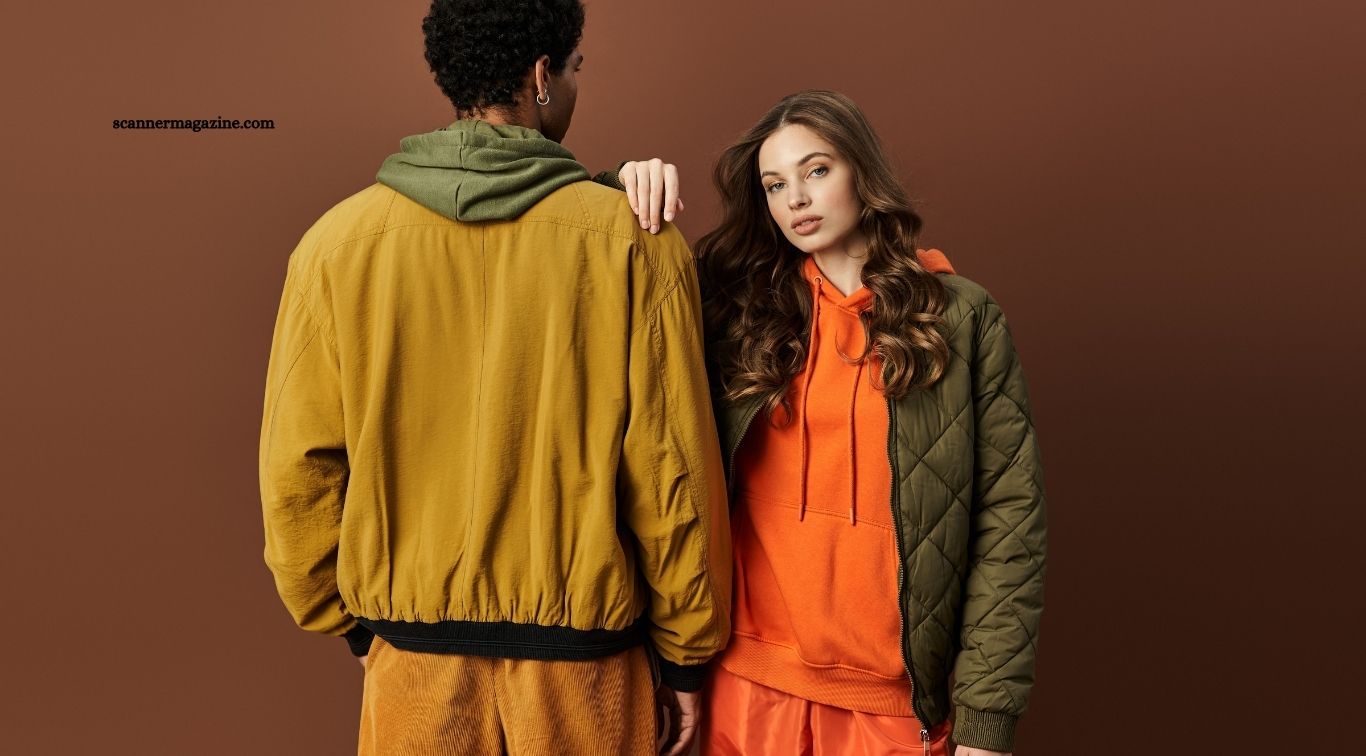
Fashion and lifestyle trends continue to evolve as people look for new ways to express their personalities, improve their well-being, and create more meaningful everyday experiences. This year, personal style is becoming less about following every popular look and more about finding a balance between comfort, individuality, practicality, and creativity. From versatile clothing and timeless wardrobe essentials to wellness routines and thoughtful home design, modern trends reflect a growing interest in living well while staying true to personal preferences.
The latest fashion and lifestyle trends also highlight the importance of making intentional choices. People are exploring ways to build wardrobes that last longer, create comfortable living spaces, maintain healthier routines, and use technology more thoughtfully. While trends inspire, the most valuable ideas are those that fit individual needs, budgets, and lifestyles. Understanding these developments can help you refresh your appearance, improve daily habits, and embrace new ideas without feeling pressured to change everything at once.
Read More: Simple Ways to Build a Happier Lifestyle
The Rise of Effortless Everyday Fashion
Effortless fashion is gaining attention because it combines comfort with a polished appearance. Instead of choosing complicated outfits that require constant adjustment, many people prefer clothing that feels comfortable throughout the day and works for different occasions. Relaxed tailoring, well-fitting jeans, simple shirts, lightweight knitwear, and versatile outerwear make it easier to create stylish outfits without spending too much time deciding what to wear.
This approach focuses on selecting pieces that complement one another and suit your everyday routine. Neutral colors, clean silhouettes, and carefully chosen accessories can make simple clothing look sophisticated. A structured jacket can elevate casual trousers, while comfortable sneakers can make a tailored outfit feel more relaxed. The result is a practical style that allows people to look put together without sacrificing comfort or personal expression.
Sustainable Fashion and Conscious Shopping
Sustainable fashion remains an important conversation as consumers become more aware of clothing waste, production practices, and the environmental impact of frequent purchases. Rather than replacing an entire wardrobe whenever trends change, many people are exploring ways to buy less, choose durable materials, repair damaged garments, and wear existing pieces in new combinations. This mindset encourages a more thoughtful relationship with clothing and personal style.
Conscious shopping does not require buying only expensive sustainable labels. You can begin by checking garment quality, considering how often you will wear an item, and choosing designs that work with clothes you already own. Shopping secondhand, swapping clothes with friends, and learning basic clothing repairs can also extend the life of a wardrobe. These habits can reduce unnecessary spending while helping you develop a style that feels more personal and less dependent on short-lived trends.
Personal Style Over Passing Trends
Personal expression is becoming a central part of modern fashion. Although social media introduces people to countless new looks, not every popular outfit suits every body type, personality, climate, or lifestyle. Many fashion enthusiasts are therefore focusing on discovering what makes them feel confident rather than copying complete looks from influencers or runway collections.
Developing personal style starts with noticing the colors, shapes, fabrics, and outfits you naturally enjoy wearing. You might prefer classic tailoring, relaxed streetwear, romantic details, minimalist clothing, or a mixture of different influences. Experimenting with accessories and layering can help you explore new ideas without making major purchases. When your wardrobe reflects your preferences, getting dressed can become easier and more enjoyable.
Comfortable Clothing for Modern Living
Comfort continues to influence how people choose everyday clothing. Flexible schedules, remote work, travel, and busy routines have increased interest in garments that move easily between different settings. Soft knitwear, relaxed trousers, breathable cotton shirts, comfortable dresses, and supportive footwear can provide a useful foundation for a modern wardrobe.
Comfortable clothing can still look refined when fit, fabric, and proportions are considered carefully. Pairing relaxed trousers with a crisp shirt, for example, creates a balanced appearance without feeling restrictive. Simple layering, coordinated colors, and clean footwear can also make casual outfits suitable for social gatherings or informal workplaces. The goal is to find clothing that supports your activities while helping you feel confident throughout the day.
Statement Accessories and Individual Details
Accessories offer an easy way to update an outfit without purchasing an entirely new wardrobe. Bags, belts, watches, scarves, sunglasses, jewelry, and distinctive footwear can introduce color, texture, and personality to otherwise simple clothing. A single carefully selected accessory may create more visual interest than several competing pieces, making this approach both practical and versatile.
The key is choosing accessories that reflect your style and suit the occasion. A colorful bag can brighten a neutral outfit, while understated jewelry can complement formal clothing without overwhelming it. Layered necklaces, textured belts, vintage-inspired pieces, and sculptural earrings can also help create a distinctive look. Instead of following every accessory trend, focus on a few pieces that work with multiple outfits and feel comfortable to wear regularly.
Colors and Patterns Shaping Fashion Choices
Color plays an important role in how fashion trends develop and how people express their moods through clothing. Neutral shades such as cream, brown, gray, navy, and black remain useful because they are easy to combine, while softer pastels and rich accent colors can bring freshness to a wardrobe. Rather than relying on a single color trend, many people benefit from selecting shades that complement their existing clothing and personal preferences.
Patterns can also add character when used thoughtfully. Stripes, checks, florals, abstract prints, and textured fabrics offer different ways to make an outfit feel distinctive. If you prefer understated clothing, introduce patterns through a scarf, shirt, or bag. If you enjoy more expressive fashion, experiment with combining prints that share a color or visual theme. Keeping proportions balanced helps the overall outfit feel intentional rather than overly busy.
Beauty Trends Focused on Natural Expression
Beauty routines are increasingly shaped by individual preferences, skin comfort, and the desire for practical results. Many people are choosing makeup looks that enhance their natural features rather than completely changing their appearance. Lightweight base products, softly defined brows, subtle blush, and lip colors suited to everyday activities can create a fresh look that is easy to maintain.
Skincare is also receiving attention as people look for routines that are consistent rather than unnecessarily complicated. Understanding your skin’s needs, using suitable products, and protecting your skin from excessive sun exposure can be more useful than purchasing every newly promoted beauty product. Trends can offer inspiration, but personal comfort and reliable information should guide product choices. A simple routine that suits your needs is often easier to maintain than one built around constant experimentation.
Wellness and Self-Care as Lifestyle Priorities
Wellness has become an important part of lifestyle conversations because people are looking for sustainable ways to manage stress, maintain energy, and create healthier routines. Self-care can include physical activity, adequate sleep, relaxing hobbies, time outdoors, and meaningful social connections. These habits help make daily life more balanced without requiring expensive treatments or elaborate routines.
A realistic wellness routine should fit your schedule and individual circumstances. Some people enjoy morning walks, while others prefer stretching, reading, meditation, or preparing nourishing meals. Small changes are often easier to maintain than ambitious plans that demand too much time or effort. Rather than treating wellness as another task to complete perfectly, think of it as a collection of habits that support your physical and emotional well-being over time.
Fitness That Fits Everyday Life
Modern fitness trends increasingly include flexible activities that can be adapted to different abilities, preferences, and schedules. Walking, strength training, cycling, swimming, yoga, dancing, and home workouts all offer ways to incorporate movement into everyday life. Instead of focusing exclusively on appearance, many people are also interested in strength, mobility, energy, and the confidence that comes from maintaining an active routine.
The most useful fitness plan is one that you can follow consistently and safely. You might schedule short walks during the week, attend a class with friends, or set aside time for simple exercises at home. Gradually increasing activity and allowing enough recovery can make the routine more manageable. If you have health concerns or are beginning a demanding exercise program, professional guidance can help you choose activities suited to your needs.
Home Decor That Combines Comfort and Personality
Lifestyle trends extend beyond clothing to the way people design and use their homes. Comfortable interiors, natural materials, warm lighting, layered textiles, and personal decorative objects can make living spaces feel welcoming. Rather than creating rooms that look like identical showroom displays, many homeowners are choosing designs that reflect their interests, memories, and everyday habits.
You can refresh your home without undertaking a major renovation. Rearranging furniture, adding cushions, displaying meaningful artwork, introducing plants, or improving lighting can change the atmosphere of a room. Combining contemporary pieces with vintage finds may also create a more individual look. The most successful interior choices balance appearance with function, ensuring that a space remains practical for relaxing, working, entertaining, and spending time with family.
Digital Wellness and Mindful Technology Use
Technology influences how people work, shop, communicate, and spend their free time, making digital wellness an increasingly relevant lifestyle consideration. Smartphones and social platforms can provide entertainment, education, and connection, but constant notifications and prolonged screen use may also interrupt concentration, sleep, and face-to-face interaction. A more intentional approach helps people benefit from technology while protecting time for other priorities.
Simple boundaries can make digital habits easier to manage. You might silence nonessential notifications, avoid scrolling during meals, set aside screen-free time before bed, or keep your phone away while completing important tasks. Choosing useful content and limiting accounts that encourage constant comparison can also improve the online experience. The aim is not to reject technology but to use it in ways that support your goals rather than controlling your attention.
Travel Experiences and Meaningful Leisure
Travel and leisure trends increasingly reflect a desire for memorable experiences rather than simply collecting photographs or visiting popular destinations. Travelers may prioritize local food, cultural activities, nature, slower itineraries, and opportunities to understand the places they visit. At home, the same mindset can inspire people to explore nearby attractions, attend local events, or discover new hobbies without planning an expensive trip.
Meaningful leisure does not have to involve travel at all. Visiting a museum, taking a scenic walk, learning to cook a new dish, or spending an afternoon with friends can provide a welcome change from routine. Planning activities around your interests and budget helps make free time more satisfying. By focusing on experiences that create enjoyment and connection, you can bring variety into everyday life without relying on constant purchases or elaborate plans.
Social Media’s Influence on Fashion and Lifestyle
Social media remains a powerful source of inspiration for fashion, beauty, home decor, fitness, and travel. Short videos, creator recommendations, and online communities can introduce people to new ideas that they might not discover otherwise. They can also make trends spread quickly, encouraging experimentation with styles, products, and routines from different cultures and communities.
However, online popularity does not always mean that a trend is practical, affordable, or suitable for everyone. Sponsored content and carefully edited images may present unrealistic expectations about appearance, possessions, and daily life. Before following a recommendation, consider whether it fits your needs and whether the information comes from a reliable source. Using social media as a source of inspiration rather than a standard for comparison can help you make more confident choices.
How to Adopt Trends Without Overspending
Keeping up with fashion and lifestyle trends can become expensive when every new idea seems to require a purchase. A more balanced approach is to identify the trends that genuinely improve your routine or help express your personality. You may discover that changing how you combine existing clothes, organizing your home, or adjusting your daily schedule is more valuable than buying something new.
Before making a purchase, consider its quality, usefulness, cost, and compatibility with items you already own. Create a realistic budget and give yourself time to decide whether an item is worth buying, especially when it is connected to a short-lived online trend. Borrowing, repairing, shopping secondhand, and choosing versatile products can help you experiment while managing expenses. Intentional choices allow you to enjoy trends without making your lifestyle dependent on constant consumption.
Frequently Asked Questions
What are the main fashion trends this year?
Versatile clothing, comfortable tailoring, personal expression, and thoughtful shopping are key fashion themes.
Why is sustainable fashion important?
It encourages longer-lasting clothing choices and can help reduce unnecessary waste and spending.
How can I update my style on a budget?
Combine existing clothes in new ways and add a few versatile accessories.
What lifestyle trends are becoming popular?
Wellness, mindful technology use, comfortable home design, and meaningful leisure are popular lifestyle themes.
How can I follow trends without losing my personal style?
Choose trends that suit your preferences, daily routine, and comfort.
How does social media influence fashion?
Social media spreads styling ideas quickly but can also encourage unrealistic comparisons and unnecessary purchases.
Conclusion
Fashion and lifestyle trends defining this year reflect a broader interest in individuality, comfort, thoughtful consumption, wellness, and meaningful everyday experiences. Versatile clothing, personal accessories, natural beauty, comfortable interiors, mindful technology use, and flexible fitness routines offer different ways to refresh your daily life. These trends are most valuable when they support your preferences and make ordinary activities more enjoyable rather than creating pressure to follow every new idea. You do not need to adopt every trend to feel modern or stylish.
