

Improving your lifestyle does not have to mean spending more money, buying expensive products, or making dramatic changes to your daily routine. Sometimes, the smallest adjustments can make the biggest difference. Organizing your home, preparing meals in advance, improving your sleep habits, and managing your finances more carefully can help you feel more comfortable, productive, and confident without putting pressure on your budget.
Budget-friendly lifestyle upgrades focus on getting more value from the money, time, and resources you already have. Whether you want a more attractive living space, healthier habits, a better work environment, or a simpler daily routine, there are plenty of affordable ways to improve your quality of life. This guide explores practical changes you can begin today and maintain over time without overspending.
Read More: Sustainable Lifestyle Habits That Benefit Everyone
Refresh Your Living Space Without Buying New Furniture
Your home has a significant influence on your comfort, mood, and daily routine. Fortunately, making it feel fresher does not require expensive furniture or a complete renovation. Start by decluttering shelves, clearing kitchen counters, organizing your wardrobe, and removing items you no longer use. Rearranging existing furniture can also change the appearance of a room without costing anything. Even simple improvements, such as cleaning windows, washing cushion covers, and organizing cables, can make your space feel more inviting.
Once you have organized your belongings, look for inexpensive ways to add personality. Reuse glass jars as storage containers, display books or meaningful photographs, or introduce a few plants suited to your home’s lighting conditions. You can also change the arrangement of cushions, lamps, and decorative items to create a different atmosphere. Before purchasing anything, check what you already own and consider whether it can be reused creatively. A comfortable, attractive home often depends more on thoughtful organization than on expensive decorations.
Build a Simple and Affordable Morning Routine
A consistent morning routine can help you begin the day with greater focus and less stress. You do not need a costly planner, a collection of wellness products, or a complicated schedule to get started. Try waking up at a consistent time, drinking water, opening the curtains, and spending a few minutes stretching or planning your priorities. These small habits can make mornings feel more organized and reduce the temptation to rush through everything at the last minute.
Keep your routine realistic enough to follow even on busy days. Preparing your clothes, packing your bag, or deciding on breakfast the night before can save valuable time in the morning. If checking your phone immediately after waking up makes you feel distracted, delay social media until you have completed one or two personal tasks. The goal is not to create a perfect routine but to establish a few habits that support your energy, concentration, and peace of mind.
Save Money by Planning Meals at Home
Preparing more meals at home is one of the most practical ways to reduce everyday expenses. Restaurant meals, takeaway orders, and frequent convenience purchases can become expensive when they are part of a regular routine. Planning a few meals before shopping helps you buy ingredients you actually need and reduces the likelihood of wasting food. Start with familiar recipes, make a shopping list, and choose ingredients that can be used in several different dishes throughout the week.
You do not have to prepare every meal from scratch to benefit. Cooking a larger portion of a favorite dish, saving suitable leftovers, or preparing ingredients in advance can make busy weekdays easier. Affordable staples such as rice, lentils, beans, eggs, seasonal vegetables, and oats can form the basis of many satisfying meals, depending on your dietary needs and local prices. Compare unit prices, store food properly, and use ingredients before they expire. A simple meal plan can help protect both your budget and your time.
Upgrade Your Wardrobe Without Overspending
Looking well dressed does not require buying new clothes every season. A more affordable approach is to build a wardrobe around comfortable, versatile pieces that work together. Start by reviewing your existing clothes and identifying items you wear regularly. Neutral shirts, well-fitting trousers, simple outerwear, and comfortable footwear can often be combined in different ways. Repairing loose buttons, fixing small tears, and removing lint can also make older garments look better.
When you do need something new, consider secondhand clothing, seasonal sales, local markets, and budget-friendly brands. Make a list before shopping so you can focus on genuine gaps instead of buying items simply because they are discounted. Pay attention to fabric quality, fit, comfort, and how frequently you expect to wear the item. Taking care of clothes through appropriate washing, drying, and storage can extend their useful life. A thoughtful wardrobe helps you look polished while avoiding unnecessary purchases.
Create a Comfortable and Productive Work Area
Whether you study, work remotely, manage a household, or pursue a hobby, having a dedicated work area can improve organization and concentration. You do not need an expensive desk or a professionally designed office. A cleared table, a comfortable chair, sufficient lighting, and a place to keep essential supplies may be enough. Try positioning your workspace away from unnecessary distractions and keeping frequently used items within easy reach.
Small changes can make your setup more practical. Use containers you already own to organize stationery, repurpose a box for documents, or place your laptop on a stable stand if it helps you maintain a comfortable posture. Keep drinking water nearby and take regular movement breaks instead of sitting for long periods without interruption. If you work on a computer, organize digital files and remove unnecessary desktop clutter as well. A functional workspace supports productivity without requiring a major financial investment.
Improve Your Health With Affordable Daily Habits
Healthy living does not have to depend on costly gym memberships, premium supplements, or expensive equipment. Many useful habits are free or inexpensive, including walking, stretching, following a consistent sleep schedule, drinking enough water, and preparing balanced meals. You can start with a short walk around your neighborhood, gentle home exercises, or a few minutes of movement between work sessions. Choose activities that suit your fitness level, physical abilities, and daily schedule.
Consistency matters more than creating an ambitious plan that quickly becomes difficult to maintain. Try setting small goals, such as walking regularly, going to bed at a consistent time, or including more vegetables in your meals. Avoid spending money on wellness products simply because they are popular online. Supplements and specialized fitness equipment may not be necessary for your situation, and medical or nutritional needs can vary. If you have health concerns or specific exercise limitations, seek appropriate professional advice before making significant changes.
Reduce Digital Clutter and Screen Time
Digital clutter can make everyday life feel more distracting than it needs to be. An overloaded phone, a crowded inbox, constant notifications, and an endless stream of social media updates can consume attention without providing much value. Begin by deleting applications you no longer use, organizing your home screen, unsubscribing from unwanted promotional emails, and turning off notifications that are not important. These changes cost nothing and can make your devices easier to manage.
You can also establish simple boundaries around technology. Set aside phone-free time during meals, avoid unnecessary scrolling before bed, or keep social media away from the first part of your morning. Use free calendar and reminder features to organize appointments, bills, and personal tasks. Review recurring digital subscriptions and cancel services you rarely use, checking renewal dates and cancellation terms first. A more intentional relationship with technology can free up time for rest, hobbies, exercise, and meaningful conversations.
Make Your Home More Energy Efficient
Reducing energy waste can improve household efficiency and help lower utility expenses over time. Start with simple habits such as switching off lights in empty rooms, unplugging equipment when appropriate, using daylight whenever possible, and operating appliances according to their instructions. In hot weather, closing curtains during the strongest sunlight may help keep rooms cooler. In cooler conditions, sealing obvious drafts with suitable low-cost materials can help maintain indoor comfort.
Before purchasing energy-saving products, identify where your household uses the most electricity or fuel. Cleaning appliance filters when recommended, using washing machines with appropriate full loads, and choosing suitable settings can make everyday tasks more efficient. Replacing frequently used bulbs with efficient alternatives may also be worthwhile when existing bulbs need replacing. Actual savings depend on local energy prices, climate, appliance efficiency, and household habits. Focus on changes that are safe, practical, and likely to provide a meaningful benefit in your home.
Develop Affordable Hobbies That Enrich Your Life
A rewarding lifestyle is not just about saving money; it is also about having activities that bring enjoyment, creativity, and a sense of progress. Affordable hobbies can include reading library books, cooking new recipes, gardening in containers, sketching, journaling, learning a language, or exploring photography with a phone you already own. Many communities also offer free cultural events, public spaces, or informal groups where people can learn and connect without spending much.
Choose a hobby that fits your interests rather than following a trend that requires expensive equipment. If you want to learn a new skill, explore free tutorials, public educational resources, and beginner-friendly online courses before paying for a subscription. Set aside a small amount of time each week so the activity becomes part of your routine. Hobbies can provide a useful break from work and responsibilities while helping you develop confidence, patience, and new abilities.
Organize Your Finances With a Simple Budget
Financial organization is one of the most valuable lifestyle upgrades because it helps you understand where your money goes. Start by recording your income, essential expenses, debt payments, savings, and discretionary spending. You can use a notebook, a spreadsheet, or a budgeting application with a suitable free plan. Reviewing your spending for a few weeks can reveal patterns, including recurring charges or small purchases that add up over time.
Once you understand your expenses, choose a realistic goal. You might build a small emergency fund, reduce unnecessary subscriptions, save toward an important purchase, or set a weekly limit for discretionary spending. Avoid setting savings targets so aggressive that you cannot cover basic needs. If your income changes from month to month, budgeting around essential expenses and maintaining a small financial buffer may be especially useful. The purpose of a budget is not to eliminate every pleasure but to make spending more intentional and reduce financial uncertainty.
Make Everyday Cleaning and Organization Easier
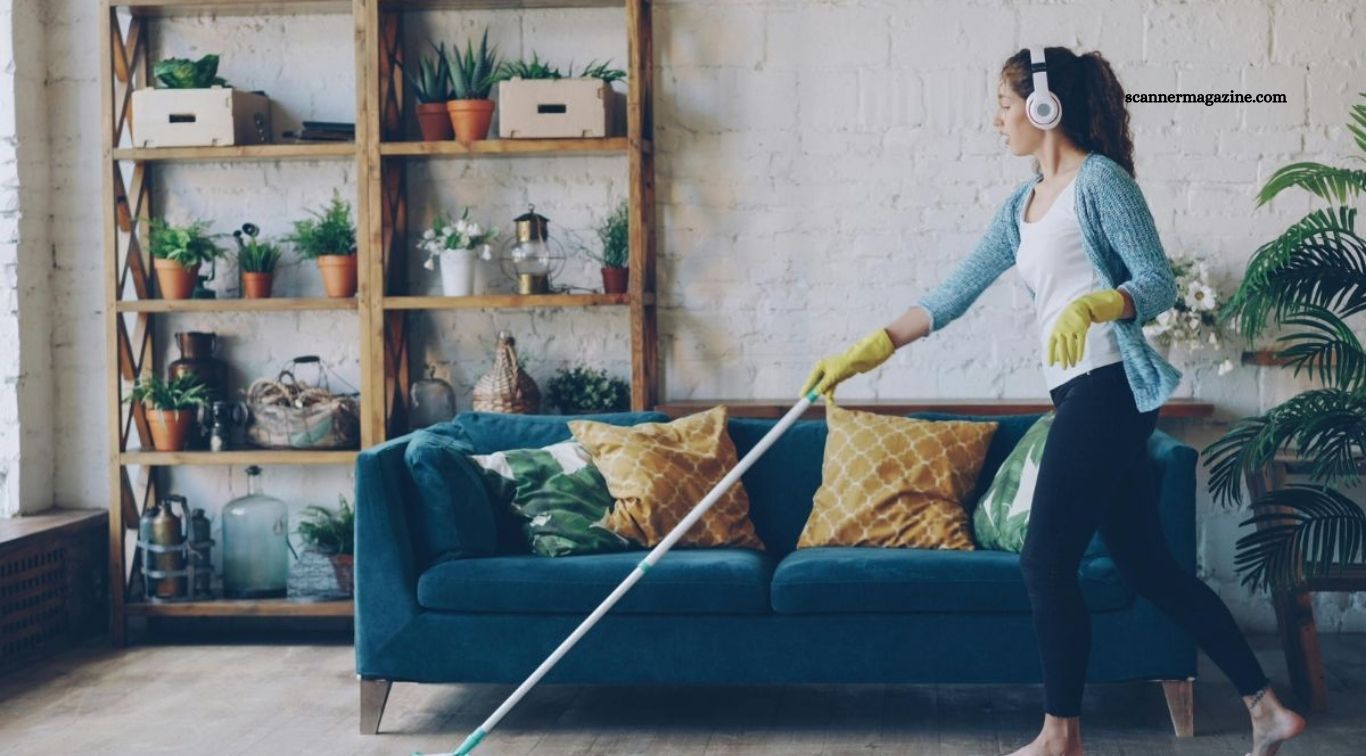
A cleaner home can feel more comfortable and manageable, but maintaining it does not require expensive cleaning gadgets or a collection of specialized products. Start by assigning small tasks to specific parts of your day. You could wipe kitchen surfaces after cooking, put items back in their usual places, or spend ten minutes tidying a room before bed. Breaking household work into smaller sessions can prevent mess from building up into a much larger task.
Use the supplies you already have when they are appropriate for the surface being cleaned, and follow product labels carefully. Store frequently used items where they are easy to reach, and create simple systems for laundry, paperwork, and household essentials. Avoid mixing cleaning chemicals, especially products containing bleach and ammonia, because dangerous gases can form. An effective cleaning routine prioritizes safety, consistency, and simplicity rather than buying more products than necessary.
Strengthen Relationships Through Low-Cost Activities
Meaningful relationships can contribute greatly to a satisfying lifestyle, and spending quality time together does not have to be expensive. Invite a friend for tea at home, prepare a shared meal, take a walk, play a board game, or arrange a relaxed family evening. These activities create opportunities for conversation and connection without the pressure of costly outings or elaborate plans.
Small gestures can also make relationships feel more supportive. Check in with someone you have not spoken to recently, offer practical help when appropriate, or make time to listen without distractions. If you live far from friends or relatives, a scheduled phone call or video chat can help maintain contact. The most important factor is often attention rather than money. Choose activities that feel comfortable for everyone involved and respect different schedules, budgets, and personal boundaries.
How to Start Making Lifestyle Upgrades Today
The easiest way to improve your lifestyle is to begin with a small number of changes that fit your current circumstances. Choose one area that would make the biggest difference, such as household organization, meal planning, sleep, or budgeting. Identify a simple action you can complete today, then repeat it until it becomes easier. Starting small helps you build momentum without feeling overwhelmed or spending money on supplies you may not need.
It can also help to review your progress at the end of each week. Notice which changes saved time, reduced expenses, or made daily life more comfortable. Keep the habits that genuinely help and adjust those that feel unrealistic. Avoid comparing your lifestyle with polished images on social media, where expensive products and carefully staged routines can create unrealistic expectations. The best upgrades are personal, sustainable, and suited to your needs rather than designed to impress other people.
Frequently Asked Questions
What are the best budget-friendly lifestyle upgrades?
Useful upgrades include planning meals, organizing your home, improving sleep habits, walking regularly, reducing digital clutter, and creating a simple budget. Many can be started without spending money.
How can I improve my lifestyle without spending much?
Use what you already own, focus on free habits, plan purchases carefully, and make small changes to your daily routine. Consistency often matters more than expensive products.
What are some affordable ways to make a home look better?
Declutter surfaces, rearrange furniture, clean windows, reuse decorative items, organize storage, and add affordable touches such as suitable plants or fresh cushion covers.
How can I save money on everyday expenses?
Plan meals, compare prices, review subscriptions, reduce food waste, avoid impulse purchases, and track spending. Choose changes that fit your income and essential household needs.
Can small lifestyle changes improve well-being?
Yes. Regular movement, sufficient sleep, organized surroundings, enjoyable hobbies, and meaningful social connections can support everyday well-being when practiced consistently.
How many lifestyle changes should I make at once?
Start with one to three manageable changes. Build consistency first, then add other habits when your routine feels comfortable and sustainable.
Conclusion
Budget-friendly lifestyle upgrades can improve everyday life without requiring a large income or expensive purchases. From refreshing your home and preparing affordable meals to improving your workspace, organizing finances, and reducing digital distractions, small changes can make your routines more comfortable and manageable. The key is to focus on improvements that solve real problems rather than spending money to follow trends. You can start today by choosing one simple action and making it part of your routine.
