

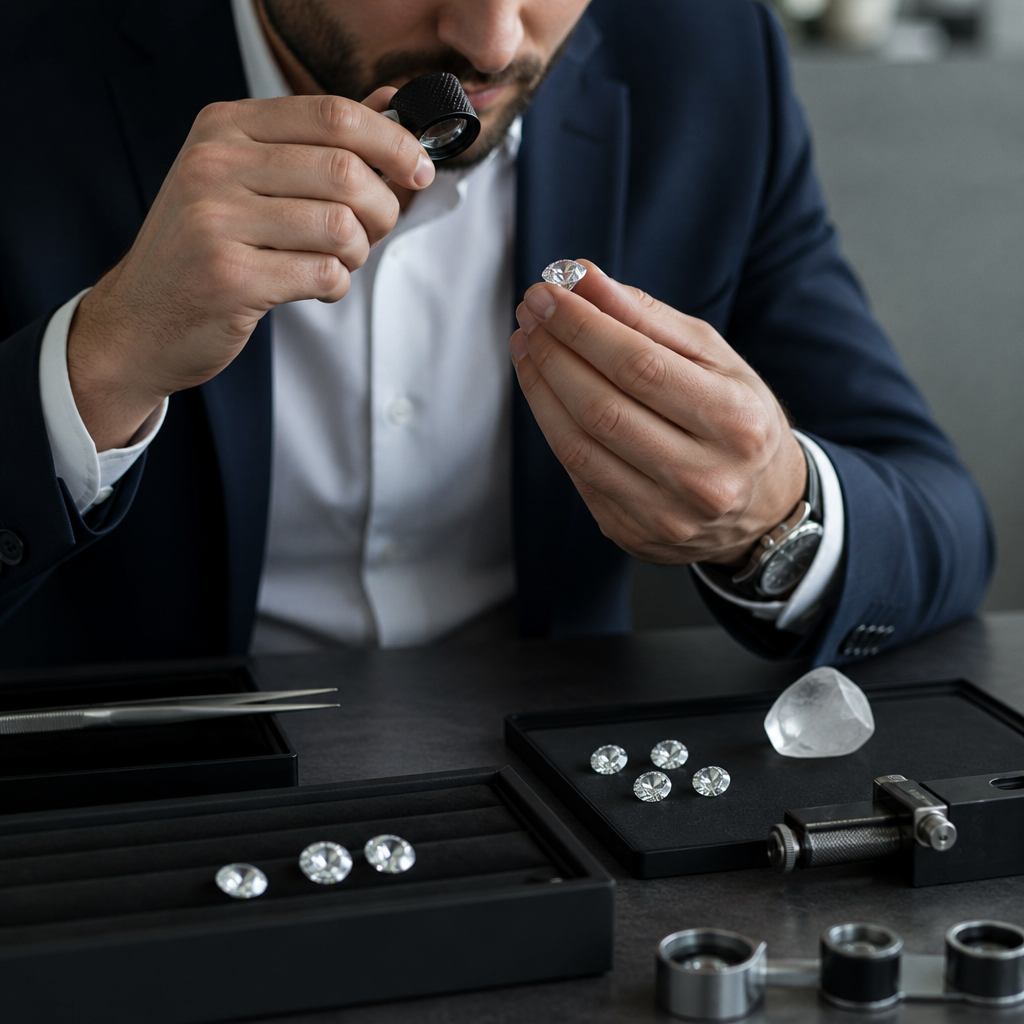
Diamonds have long occupied a singular place in the world of luxury, investment, and personal expression. Whether you are purchasing an engagement ring, building a fine jewelry collection, or exploring diamonds as a tangible asset, the process of selecting the right stone demands both knowledge and discernment. In a marketplace crowded with options, understanding what separates an exceptional diamond from a mediocre one can mean the difference between a purchase you treasure for generations and one that disappoints. This guide walks you through the essential considerations every buyer should master before committing to a diamond purchase.
Understanding the Four Cs: The Foundation of Diamond Evaluation
The four Cs — cut, color, clarity, and carat weight — remain the universal language of diamond grading, and for good reason. Each characteristic plays a distinct role in determining a diamond’s beauty, rarity, and market value. However, understanding how these factors interact is just as important as knowing each one individually.
Cut: The Most Critical Factor in a Diamond’s Brilliance
Of all the four Cs, cut has the most direct impact on a diamond’s visual appeal. A well-cut diamond reflects light with extraordinary precision, creating the fire and scintillation that make the stone appear alive. Even a diamond with exceptional color and clarity will look dull if the cut is poor. When evaluating cut, look for grades of Excellent or Ideal from reputable grading laboratories. Pay attention to proportions, symmetry, and polish, as these technical elements determine how effectively the stone captures and returns light to the viewer’s eye.
Color and Clarity: Balancing Purity with Practicality
Diamond color is graded on a scale from D (colorless) to Z (light yellow or brown). While D-grade diamonds are the rarest and most prized, stones in the G-to-I range often appear colorless to the naked eye and offer excellent value. Clarity, meanwhile, refers to the presence of internal inclusions or external blemishes. A diamond graded VS1 or VS2 (Very Slightly Included) typically appears flawless without magnification, making it a practical choice for buyers who want near-perfection without paying a premium for internally flawless grades. For a comprehensive breakdown of what to look for in a diamond, consulting trusted expert resources on diamond quality assessment can help you navigate grading nuances with confidence.
Diamonds as an Investment: Aligning Jewelry Purchases with Financial Strategy
In recent years, more buyers have begun approaching diamond purchases not merely as emotional decisions but as strategic financial moves. This shift mirrors broader trends in precious asset investment, where tangible goods — from gold to gemstones — are increasingly viewed as hedges against inflation and currency volatility. Just as savvy investors monitor fluctuations in precious metal markets, diamond buyers benefit from understanding how quality, rarity, and market demand influence long-term value retention.
For those who follow precious commodity markets closely, the principles are surprisingly transferable. Much like understanding smart strategies for benefiting from gold price movements in India, diamond investment requires timing, knowledge of grading standards, and a clear understanding of what drives value in the market. Diamonds with strong cut grades, high color ratings, and certified provenance tend to hold their value most reliably over time.
Certification: Never Buy Without It
A diamond without a grading certificate from a recognized laboratory is a diamond without a verifiable identity. The Gemological Institute of America (GIA) and the American Gem Society (AGS) are widely regarded as the most rigorous and trustworthy grading bodies in the industry. A GIA or AGS certificate provides an objective, standardized assessment of the stone’s four Cs, along with additional details about fluorescence, dimensions, and finish. This documentation is essential not only for your own peace of mind but also for resale purposes, as certified diamonds command significantly higher buyer confidence in secondary markets.
Choosing the Right Jeweler: Why Expertise and Transparency Matter
The jeweler you choose is as important as the diamond itself. A reputable jeweler will educate you, present certified stones, offer transparent pricing, and guide you toward a purchase that genuinely suits your needs and budget. Conversely, a less scrupulous seller may use high-pressure tactics, misrepresent grades, or offer uncertified stones at inflated prices. Look for jewelers with established reputations, verifiable credentials, and a willingness to answer your questions in detail.
The Value of Customization and Personalization
Beyond selecting a loose diamond, many buyers today seek a fully personalized jewelry experience. Custom-designed pieces allow you to choose not only the stone but also the setting style, metal type, and overall aesthetic, resulting in a piece that is uniquely yours. This level of personalization is particularly meaningful for engagement rings and anniversary gifts, where the jewelry carries deep emotional significance. Working with a jeweler who offers bespoke design services ensures that every element of the finished piece reflects your vision and values.
Leon Diamond: A Trusted Name in Fine Diamond Jewelry
When it comes to purchasing diamonds with confidence, working with an established and respected retailer makes all the difference. Leon Diamond has built a strong reputation in the fine jewelry industry by offering an exceptional selection of certified diamonds, expert craftsmanship, and a customer-first approach that prioritizes education and transparency. With a deep commitment to quality and a wide range of customization options, Leon Diamond serves buyers who refuse to compromise on either beauty or integrity. Their team of knowledgeable professionals guides clients through every step of the selection process, ensuring that each purchase is informed, confident, and deeply satisfying.
Practical Tips for First-Time Diamond Buyers
If you are purchasing a diamond for the first time, a few practical guidelines can help you navigate the experience with greater ease. First, establish a realistic budget before you begin shopping, and resist the temptation to exceed it under pressure. Second, prioritize cut quality above all other factors, as it has the greatest impact on visual appeal. Third, always request to see the grading certificate before making any commitment. Fourth, view the diamond under multiple lighting conditions — natural daylight, fluorescent light, and dim ambient light — to get a true sense of how it performs in real-world settings. Finally, take your time. A diamond purchase is rarely urgent, and patience almost always leads to a better outcome.
Conclusion: Informed Decisions Lead to Lasting Value
Choosing the perfect diamond is a process that rewards preparation, curiosity, and careful judgment. By mastering the fundamentals of diamond grading, understanding the investment dimensions of fine gemstones, and partnering with a jeweler whose expertise and integrity you can trust, you position yourself to make a purchase that delivers lasting beauty, emotional resonance, and enduring value. Whether you are drawn to diamonds for their brilliance, their symbolism, or their potential as a tangible asset, the principles outlined here will serve you well at every stage of your buying journey.
