

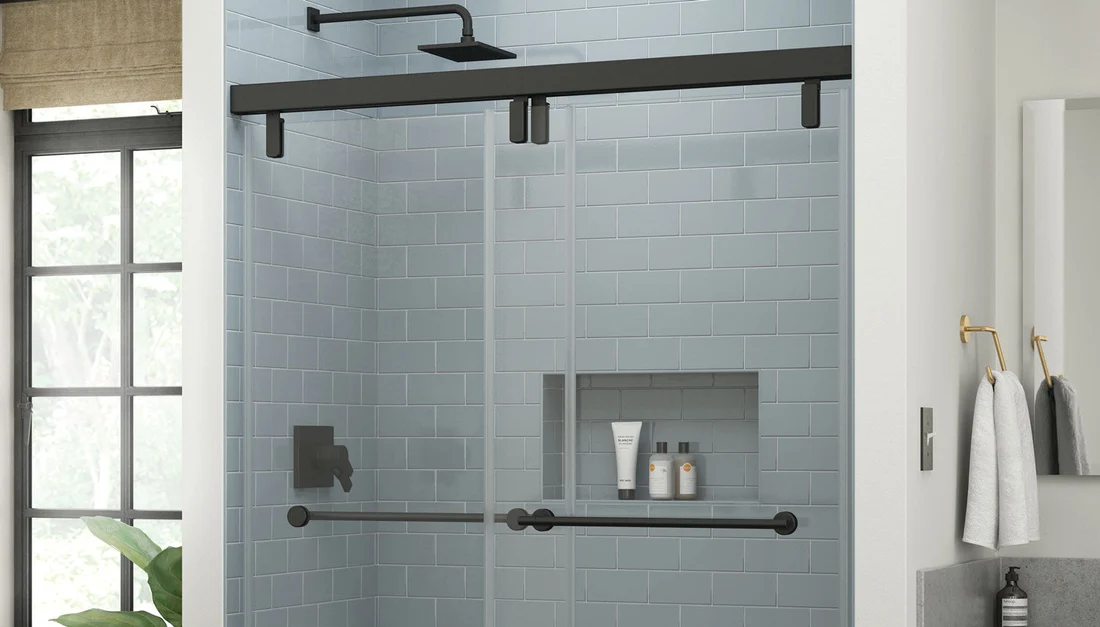
A shower door affects more than the appearance of a bathroom. It influences water control, cleaning, accessibility, ventilation, and the way the room feels every day. When a door becomes difficult to open, develops damaged hardware, or allows water to escape, replacement may be more practical than continued repairs. A careful assessment helps homeowners choose a solution that fits the space and the existing enclosure.
Signs a Shower Door Needs Replacement
Persistent leaks around the bottom or sides, cracked glass, corrosion, loose rollers, difficult operation, and doors that no longer align are common warning signs. Small hardware adjustments can solve some problems, but damaged tempered glass should not be patched or reused. If the glass is chipped, fractured, or unstable, keep people away from the area and arrange a professional inspection.
Measure the Existing Opening
Accurate measurements are essential before choosing a replacement. Record the width at the top, middle, and bottom of the opening, along with the height at several points. Walls may not be perfectly square, especially in older bathrooms. Also note the location of plumbing fixtures, wall supports, tile edges, thresholds, and any obstruction that could affect the swing or sliding path.
Choose Between Sliding and Hinged Doors
Sliding doors can be useful when the bathroom has limited clearance in front of the shower. They typically require a track and enough overlap between panels. Hinged or pivot doors may create a more open appearance and can be easier to clean, but they need sufficient clearance to swing safely. The best choice depends on the enclosure dimensions, layout, and daily use.
Consider Glass Thickness and Style
Clear glass can make a small bathroom appear more open, while textured or patterned glass offers additional visual privacy. Thicker glass may provide a more substantial feel, but the frame, hinges, walls, and installation method must be suitable for its weight. A professional shower door replacement service in Damascus can explain which options are appropriate for the existing structure.
Review Hardware and Water Sealing
Handles, hinges, rollers, seals, sweeps, and wall channels all contribute to reliable operation. Stainless or corrosion-resistant hardware may be useful in a humid bathroom, but maintenance still matters. Seals should direct water back into the enclosure without creating excessive friction. A door that looks attractive but is poorly aligned can continue to leak and place stress on the glass.
Plan for Safe Installation
Glass panels can be heavy and vulnerable to impact at their edges. Installation requires careful handling, accurate leveling, suitable anchors, and a secure connection to the wall or surrounding structure. Avoid improvising with unsupported hardware or drilling into unknown plumbing and electrical locations. Professional installation can help protect the bathroom finish and reduce the risk of an unsafe door.
Maintenance After Replacement
Keep the glass clean with a suitable non-abrasive product and remove standing water when practical. Inspect seals and hardware periodically for looseness, corrosion, or wear. Do not hang heavy items from the handle, and avoid striking the door with bottles or other objects. Prompt attention to small alignment or sealing issues may extend the life of the installation.
Conclusion
A successful shower door replacement begins with accurate measurements, a realistic understanding of the bathroom layout, and careful selection of glass, hardware, and opening style. Safety and water control should be considered alongside appearance. Homeowners can also explore Clear View Glass Company when comparing local shower door replacement solutions.
