

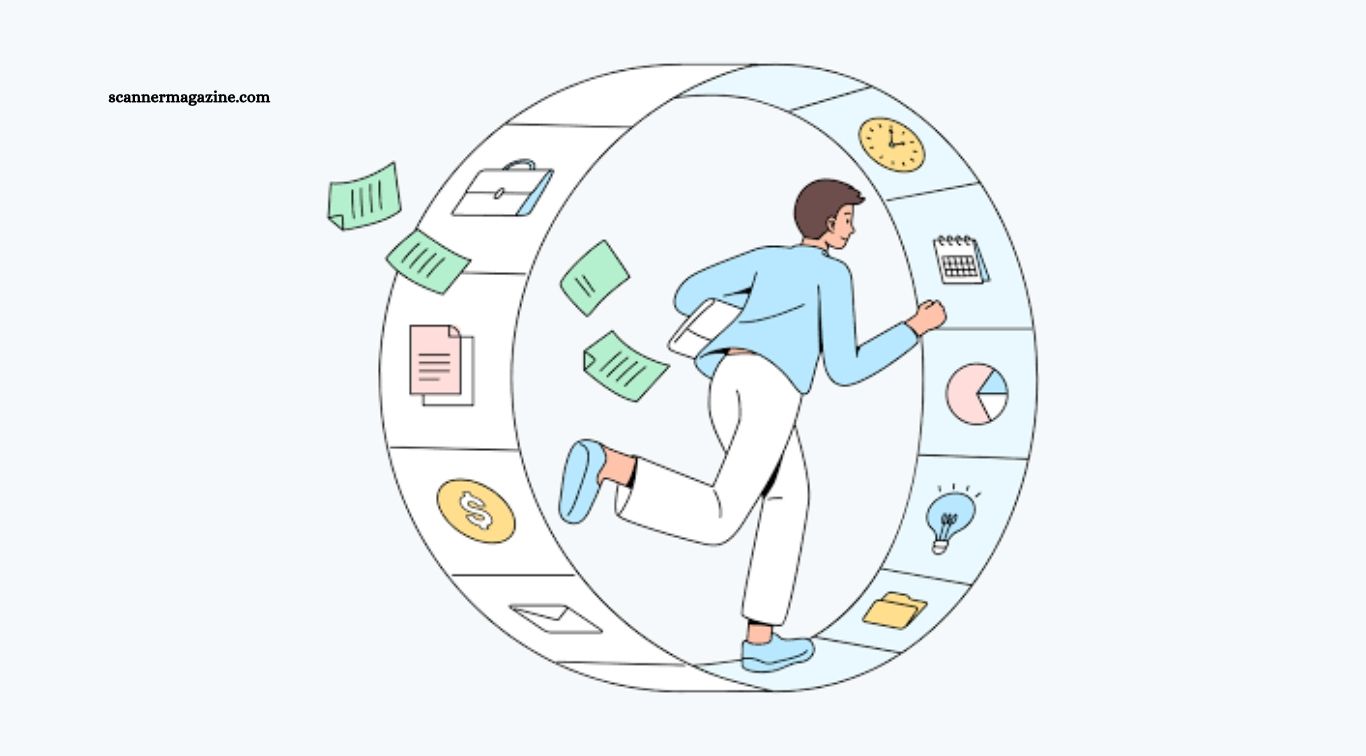
Building productive daily routines can help you manage time more effectively, stay focused on important tasks, and create a healthier balance between work and personal life. Whether you work from home, study, run a business, or manage a busy household, small habits can make everyday responsibilities easier to handle. Productivity is not about staying busy every minute. It is about using your time and energy wisely to accomplish meaningful goals without unnecessary stress.
The most effective routines are realistic, flexible, and suited to your lifestyle. You do not need to wake up before sunrise or follow a complicated schedule to become more productive. Simple habits such as planning your day, limiting distractions, taking regular breaks, and getting enough sleep can make a meaningful difference over time. This guide explores daily routines that boost productivity and explains how to turn them into sustainable habits.
Read More: Minimalist Living Tips for a Stress-Free Home
Start Your Morning With a Clear Plan
A productive morning begins with a simple plan rather than a long list of tasks. Before starting work, take a few minutes to review your responsibilities, identify your most important priorities, and decide what deserves your attention first. Writing down three key tasks can make your day feel more manageable and prevent minor requests from taking over your schedule. A clear plan also helps you connect everyday activities with larger personal or professional goals.
Try preparing for the morning the night before by organizing your workspace, choosing what you need for the day, and noting any important deadlines. This reduces the number of decisions you must make after waking up. Your routine does not have to be complicated; even five minutes of planning can help you start with greater direction. If unexpected responsibilities arise, adjust your plan instead of treating every change as a failure.
Wake Up at a Consistent Time
Maintaining a reasonably consistent wake-up time can make your daily schedule easier to manage. When your sleep and waking patterns are regular, it becomes simpler to plan meals, exercise, work sessions, and personal activities. A consistent morning also gives you a predictable starting point, reducing the temptation to rush through essential tasks. You do not need to follow someone else’s early morning routine to be productive; the right schedule depends on your responsibilities and natural preferences.
The key is to protect enough time for sleep while choosing a wake-up time that fits your life. Adults generally need at least seven hours of sleep per night, although individual needs vary. Going to bed at a suitable time, reducing late-night screen use, and keeping your sleeping environment comfortable can help support better rest. Avoid sacrificing sleep just to gain extra working hours, because tiredness can undermine concentration, decision-making, and efficiency throughout the day.
Identify Your Most Important Tasks
One of the most effective routines for improving productivity is deciding which tasks matter most. Busy schedules often contain a mixture of urgent requests, routine responsibilities, and meaningful projects that require sustained attention. Without clear priorities, it is easy to spend hours responding to messages while postponing work that contributes to your long-term goals. Reviewing your responsibilities at the beginning of the day helps you distinguish essential work from tasks that can wait.
A practical approach is to choose one major task and two smaller priorities for the day. Break larger projects into specific actions that are easier to begin and complete. For example, instead of writing “finish project,” decide to draft the introduction, review the data, or complete one section. Clear actions reduce uncertainty and make progress easier to measure. At the end of the day, review what you accomplished and move unfinished tasks to a realistic time slot rather than carrying an overwhelming list into tomorrow.
Use Time Blocking to Organize Your Day
Time blocking is a planning method in which you assign specific periods to different activities. Rather than keeping an open-ended to-do list, you decide when you will work on a report, answer emails, attend meetings, exercise, or handle personal responsibilities. This structure can help you protect time for important projects and reduce the amount of energy spent deciding what to do next. It is particularly useful when your day includes several competing priorities.
Start by placing fixed commitments, such as classes or meetings, on your calendar. Then schedule realistic blocks for focused work, administrative tasks, breaks, and unexpected demands. Avoid filling every available minute because delays are a normal part of daily life. Leave some flexibility between activities and adjust your plan when circumstances change. Time blocking works best as a helpful guide, not a rigid timetable that makes you feel unsuccessful whenever something takes longer than expected.
Focus on One Task at a Time
Multitasking may feel productive, but switching repeatedly between unrelated tasks can make it harder to maintain attention. Every time you leave one activity to check a message or open another application, you may need time to remember where you were and what to do next. A routine built around focused work helps reduce these interruptions and gives demanding tasks the attention they require.
Choose a specific task, remove unnecessary distractions, and work on it for a manageable period before checking other responsibilities. Close unrelated tabs, silence nonessential notifications, and keep only the materials you need nearby. If another thought or task comes to mind, write it down for later rather than immediately abandoning your current work. Concentrated work does not have to continue for hours without interruption. Even a short period of uninterrupted attention can help you make useful progress.
Try the Pomodoro Technique
The Pomodoro Technique is a time-management method that divides work into focused intervals separated by short breaks. A common approach is to work for 25 minutes, take a five-minute break, and repeat the cycle. After several rounds, you can take a longer break. The method gives you a clear starting point and can make intimidating tasks feel more manageable, especially when you struggle with procrastination or find it difficult to maintain concentration.
You can adapt the intervals to suit your needs. Creative work or complex analysis may benefit from longer sessions, while repetitive tasks may be easier to complete in shorter blocks. During each work interval, focus on one defined activity rather than checking unrelated messages. Use breaks to stretch, get water, or look away from your screen. The goal is not to follow a timer perfectly but to create a reliable rhythm of focused effort and recovery.
Build Movement Into Your Daily Routine
Regular physical activity can support energy, mood, and overall well-being, all of which influence how effectively you work. You do not need an intensive workout every day to benefit from movement. Walking, stretching, cycling, taking the stairs, or doing a short home exercise session can help break up long periods of sitting. For people who work at a desk, brief movement breaks can also provide a useful change of pace between demanding tasks.
Choose an activity that fits your schedule and is enjoyable enough to repeat. You might take a short walk in the morning, stretch between meetings, or exercise after finishing work. If you have a particularly busy day, even a few minutes of movement can be easier to maintain than an ambitious routine that requires extensive preparation. The most sustainable approach is to build activity into your existing schedule instead of treating it as an extra responsibility you can only complete when you have spare time.
Eat Balanced Meals and Stay Hydrated
Your daily eating and drinking habits can affect how you feel and function throughout the day. Skipping meals, relying entirely on sugary snacks, or forgetting to drink water may leave you feeling uncomfortable or distracted. A more consistent routine includes balanced meals, suitable snacks when needed, and regular opportunities to drink water. Eating habits should support your energy and well-being rather than become another strict productivity rule.
Prepare simple meals in advance when possible, especially if your work or study schedule is demanding. Keep water accessible and take short breaks to eat without trying to handle several tasks at once. Foods containing protein, fiber, and other essential nutrients can help make meals more satisfying. Individual needs differ, so choose an eating pattern that suits your health, culture, budget, and preferences. The aim is to support steady energy and concentration, not to pursue a perfect diet.
Limit Digital Distractions
Digital devices make communication and research easier, but constant notifications can interrupt concentration and consume time without providing much value. Messages, social media feeds, news updates, and entertainment apps can quickly pull your attention away from important work. Establishing clear boundaries around technology helps you use digital tools intentionally instead of responding automatically whenever something appears on your screen.
Start by disabling nonessential notifications and checking messages at planned times rather than continuously throughout the day. Keep your phone away from your immediate workspace during tasks that require deep concentration. You can also use website blockers or focus settings when you need additional support. However, choose boundaries that fit your responsibilities. If your job requires rapid communication, schedule shorter check-in periods rather than ignoring messages completely. The objective is to manage interruptions without missing genuinely important information.
Take Regular Breaks to Protect Your Energy
Working continuously without rest can make it harder to maintain attention and may leave you feeling mentally exhausted. Short breaks provide an opportunity to move, relax your eyes, get fresh air, or briefly step away from a difficult problem. They can also help you notice when you are becoming tired and need to change your approach. A productive routine includes recovery time because sustained performance depends on more than the number of hours spent working.
Plan breaks around your workload rather than waiting until you feel completely drained. After finishing a demanding task, stand up, stretch, drink water, or walk for a few minutes. Try to avoid spending every break scrolling through the same notifications that interrupted your work. If you are facing a challenging project, a short pause can help you return with a clearer perspective. Rest is not wasted time; it is part of maintaining a routine that you can sustain.
Create an Evening Routine for the Next Day
An evening routine can make the following morning calmer and more organized. Before finishing your day, review your progress, note unfinished tasks, and choose the priorities you want to address next. Prepare any materials you will need, organize your workspace, and check your calendar for upcoming commitments. These small actions reduce uncertainty and help you avoid beginning the next day by searching for information or trying to remember everything you need to do.
It is also important to establish a clear boundary between work and personal time. Set a reasonable stopping point when possible, reduce work-related notifications in the evening, and make room for relaxing activities. Reading, spending time with family, listening to music, or preparing for bed can help you transition away from work. Avoid turning your evening into another long productivity session. A useful routine should prepare you for tomorrow while allowing you to rest and enjoy the present.
Review Your Progress and Adjust Your Habits
A productive routine should evolve as your responsibilities and circumstances change. At the end of each day or week, spend a few minutes considering what worked well, which activities took longer than expected, and what caused unnecessary distractions. This review can reveal patterns that are difficult to notice while you are busy. For example, you may discover that demanding work is easier in the morning or that meetings repeatedly interrupt your most important tasks.
Use what you learn to make small adjustments instead of changing your entire schedule at once. If you regularly miss a planned exercise session, move it to a more realistic time. If your to-do list is consistently unfinished, reduce the number of priorities or estimate task durations more accurately. Track progress in a simple notebook, calendar, or digital planner if that helps. The purpose of reviewing your habits is to build a routine that works in real life, not to criticize yourself for every imperfect day.
How to Build a Productive Routine That Lasts
The easiest way to develop a lasting routine is to start with a few habits that address your biggest challenges. If you struggle to get organized, begin with a five-minute daily planning session. If distractions are your main problem, schedule focused work periods and silence unnecessary notifications. If you often feel tired, prioritize sleep, movement, and regular breaks before adding more tasks to your schedule. Starting small makes new habits easier to repeat and less likely to feel overwhelming.
Once your first habits become familiar, gradually add other routines that support your goals. Connect new habits to activities you already do, such as reviewing priorities after breakfast or preparing tomorrow’s task list before ending work. Expect occasional disruptions and avoid treating one difficult day as a reason to give up. A sustainable routine is flexible enough to adapt when life changes. Consistency matters more than perfection, and even modest improvements can make your days feel more focused and manageable.
Frequently Asked Questions
What is the best daily routine for productivity?
A useful routine includes adequate sleep, morning planning, prioritized tasks, focused work sessions, regular breaks, physical movement, and an evening review. The best schedule depends on your needs and responsibilities.
What is the best time to wake up to be productive?
There is no single ideal wake-up time for everyone. Choose a consistent schedule that allows enough sleep and fits your work, study, family, and personal commitments.
How can I stop procrastinating during the day?
Break large tasks into small actions, choose a clear starting point, remove distractions, and try a timed work session. Beginning with a manageable step often makes progress easier.
How many breaks should I take while working?
Break frequency depends on the task and your attention span. Try short breaks between focused sessions and take longer breaks when needed to recover your energy and concentration.
Do morning routines really improve productivity?
A morning routine can help you start with greater direction by creating time for planning, preparation, and essential personal habits. Its value depends on whether it supports your actual needs.
How long does it take to build a productive daily routine?
It varies by person and habit. Focus on repeating a few realistic actions, review what works, and adjust gradually rather than expecting a perfect routine immediately.
Conclusion
Daily routines that boost productivity are built on practical habits rather than complicated schedules. Planning your priorities, maintaining consistent sleep, focusing on one task at a time, organizing your calendar, taking breaks, and managing digital distractions can help you use your time more effectively. Regular movement, balanced meals, and an evening routine also support the energy and focus needed to meet everyday responsibilities. The best habits are those that make your work more manageable without sacrificing your well-being.

1 Comment
Pingback: Lifestyle Choices That Support Better Health - Scanner Magazine