

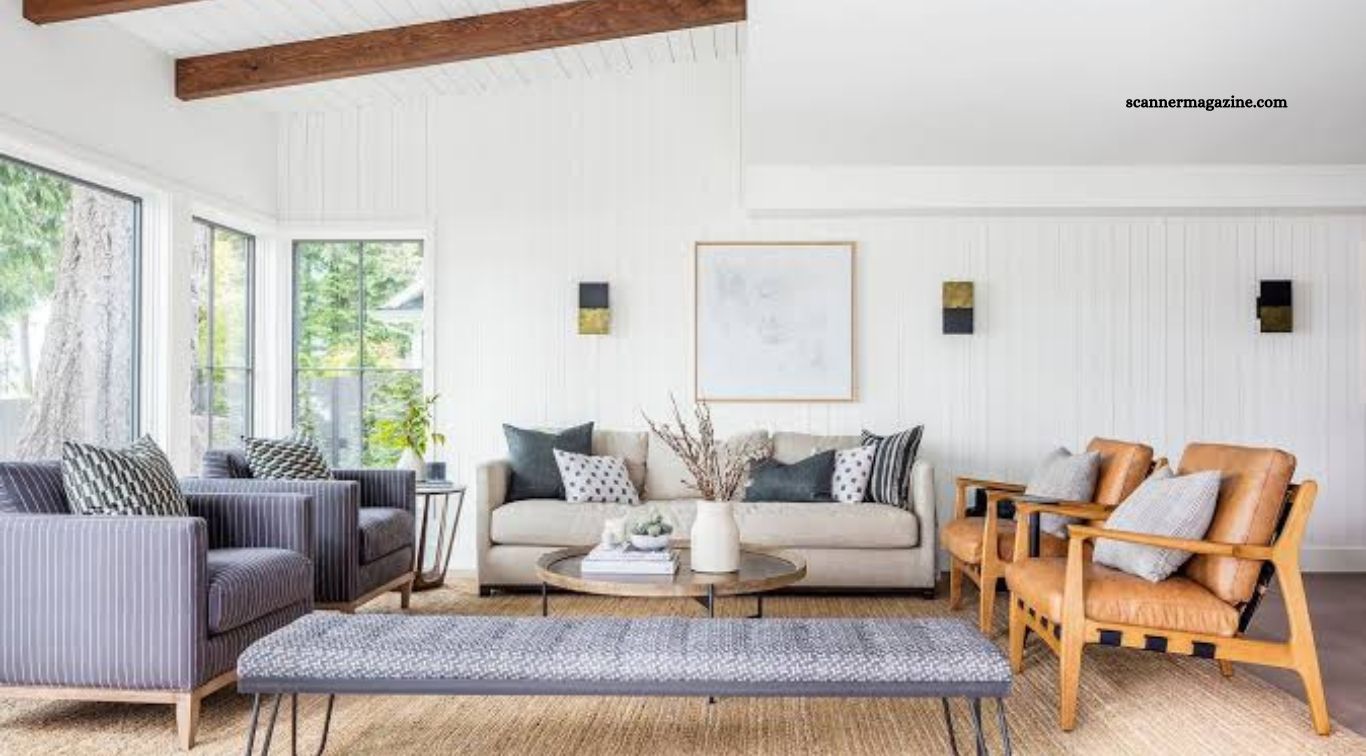
A peaceful home does not need expensive furniture, elaborate decorations, or perfectly organized rooms. Sometimes, the most relaxing spaces are the simplest ones, where everything has a purpose, and there is enough room to breathe. Minimalist living focuses on reducing unnecessary possessions, creating functional spaces, and choosing items that genuinely add value to everyday life. By keeping your surroundings intentional and manageable, you can create a home that feels calmer, more comfortable, and easier to maintain.
The best minimalist living tips for a stress-free home are practical, flexible, and suited to your lifestyle. You do not have to get rid of everything you own or follow a strict design style to enjoy the benefits of simplicity. Small changes, such as clearing crowded surfaces, improving storage, choosing soothing colors, and establishing simple cleaning routines, can make a noticeable difference. Whether you live in a small apartment or a family house, a thoughtful minimalist approach can help reduce visual clutter and make daily life feel more organized.
Read More: Self-Care Habits That Make a Real Difference
Start by Decluttering One Area at a Time
Decluttering is one of the most effective ways to begin creating a minimalist home. When shelves, tables, and countertops are crowded with unused belongings, everyday tasks can feel more complicated than necessary. Start with one manageable area, such as a bedside table, kitchen drawer, or entryway shelf, instead of trying to organize the entire home in a single day. Small, visible improvements can help you build momentum without feeling overwhelmed.
As you sort through your belongings, consider whether each item is useful, meaningful, or regularly used. Items that no longer serve a purpose can be donated, sold, recycled, or disposed of responsibly, depending on their condition. You do not need to make difficult decisions about sentimental possessions immediately. Set aside uncertain items and return to them later when you feel ready. A gradual approach helps you create a more organized home without turning decluttering into another source of stress.
Choose Quality Over Quantity
Minimalist living encourages thoughtful purchasing rather than constantly adding new belongings. Instead of buying several inexpensive items that may wear out quickly, consider choosing durable products that suit your needs and can be used regularly. This principle applies to furniture, kitchen equipment, bedding, clothing, and everyday household essentials. A smaller collection of useful items can make your home easier to organize and maintain.
Quality does not always mean buying the most expensive option. The best choice is one that balances durability, function, comfort, and your budget. Before making a purchase, consider whether you already own something that serves the same purpose and whether the new item will fit your available space. Waiting a day or two before buying nonessential products can also help you avoid impulse purchases. Over time, more deliberate shopping habits can reduce clutter and make your home feel less crowded.
Create a Calm and Neutral Color Palette
Color can influence the overall feeling of a room, making it an important part of minimalist home design. Neutral shades such as warm white, cream, beige, soft gray, and muted earth tones create a simple visual foundation that works with different furniture styles. These colors can help a room feel cohesive and relaxed, especially when the space already contains many functional elements.
A minimalist home does not have to be completely white or lack personality. You can introduce gentle color through cushions, artwork, plants, rugs, or a favorite piece of furniture. The key is to choose colors that complement one another rather than competing for attention. Repeating a few shades across adjoining rooms can also create a sense of continuity. A restrained palette helps the eye move comfortably through the space while allowing meaningful details to stand out.
Keep Surfaces Clear and Functional
Crowded surfaces can make a home appear untidy even when the rest of the room is organized. Kitchen counters, coffee tables, desks, and bedside tables often collect items that do not have a designated place. Keeping these areas relatively clear makes daily tasks easier and creates a more peaceful visual environment. Begin by removing objects you rarely use and returning frequently used items to their proper locations after each activity.
You do not need to leave every surface empty to achieve a minimalist look. A lamp, a small vase, a fruit bowl, or a carefully chosen decorative object can add warmth without creating clutter. Use trays to group small essentials and storage containers to keep loose items organized. In the kitchen, leave enough counter space for food preparation, while a clear desk can make it easier to concentrate. Functional surfaces support both simplicity and everyday convenience.
Use Smart Storage Solutions
Effective storage makes minimalist living easier because it gives essential belongings a clear and accessible home. Drawers, cabinets, baskets, shelves, and storage benches can help keep everyday items organized without requiring them to remain visible. In small homes, multifunctional furniture can be particularly helpful because it combines practical use with additional storage. The goal is to make items easy to find and put away rather than simply hiding clutter behind closed doors.
Before purchasing storage products, identify what needs to be stored and where those items are used most often. Keep cleaning supplies near the areas where you need them, store cooking essentials close to the kitchen worktop, and place frequently worn shoes near the entrance. Avoid filling every available cabinet with things you do not use. A good storage system supports your routine, reduces unnecessary searching, and makes it easier to keep your home organized over time.
Make Your Living Room Comfortable but Simple
A minimalist living room should feel inviting rather than empty or formal. Choose comfortable seating that fits the room, a practical coffee table, and a few accessories that contribute to the atmosphere. Furniture with simple shapes and coordinated finishes can help the space feel connected, while natural materials such as wood, cotton, and linen add warmth. Avoid filling every corner simply because it is available; open space is an important part of a balanced layout.
Arrange furniture to support how you actually use the room. If you enjoy reading, create a small corner with a comfortable chair and a suitable lamp. If your family gathers to watch movies or talk, prioritize seating and clear walking paths. A soft rug, a few cushions, or a favorite piece of artwork can provide personality without overwhelming the space. When each item has a clear purpose, the room becomes easier to maintain and more enjoyable to use.
Simplify Your Bedroom for Better Rest
The bedroom should be one of the calmest areas in your home because it is where you unwind at the end of the day. Too many decorative objects, piles of clothing, and work-related belongings can make the room feel busy. Begin by keeping the bedside area tidy, storing clothes properly, and removing items that do not belong in the bedroom. Comfortable bedding, suitable window coverings, and gentle lighting can create a more restful atmosphere.
Choose bedroom furniture according to your needs rather than following every design trend. A bed, a practical bedside table, and adequate clothing storage may be all you need. Under-bed containers can help organize seasonal belongings, while wall-mounted shelves may free up valuable floor space. Keep frequently used items within easy reach and avoid turning every surface into a storage area. A simpler bedroom can make your evening routine easier and help the space feel more relaxing.
Design a Minimalist and Organized Kitchen
The kitchen often contains many small items, from cooking utensils and food containers to appliances and cleaning products. When everything remains on display, work surfaces can quickly become crowded. A minimalist kitchen focuses on keeping essential tools accessible while storing less frequently used belongings in cabinets or drawers. Group similar items together and arrange storage around your normal cooking routine so that preparing meals feels straightforward.
You can simplify the kitchen without replacing cabinets or buying matching containers. Clear out expired food, recycle unnecessary packaging where appropriate, and keep only the utensils you regularly use. Store appliances you rarely need if doing so makes your worktops more practical, while keeping everyday essentials close at hand. Choose a few coordinated accessories if you want a decorative touch, but prioritize cleanliness, food safety, and usable preparation space over appearance alone.
Establish a Simple Daily Cleaning Routine
A stress-free home does not require hours of cleaning every day. Short, consistent habits can prevent everyday mess from becoming difficult to manage. Making the bed, washing dishes after meals, wiping frequently used surfaces, and returning items to their usual places can help maintain order with relatively little effort. These small tasks are often easier to complete regularly than a major cleaning session after clutter has accumulated.
Create a routine that matches your schedule and household responsibilities. You might spend a few minutes tidying the living room before bed or resetting the kitchen after dinner. Share tasks among household members when appropriate, and avoid expecting every room to remain perfect throughout the day. The purpose of a cleaning routine is to support comfortable living, not to create pressure. A reasonably tidy home is often more sustainable than one maintained through exhausting efforts.
Reduce Visual Clutter in Every Room
Visual clutter occurs when too many objects, patterns, colors, or competing details demand attention at the same time. Even useful belongings can make a room feel busy if they are scattered across surfaces or displayed without a clear arrangement. Simplifying what you see when entering a room can make the space feel more organized. Start by grouping similar objects, putting loose items away, and removing decorations that no longer suit your preferences.
Pay attention to walls, shelves, and open storage areas as well as the floor. A few meaningful photographs or a single piece of artwork may have more impact than a crowded display. If you enjoy collections, arrange them in a dedicated area instead of spreading them throughout the home. You can also reduce visual noise by choosing coordinated storage containers and limiting the number of colors used in one space. The aim is not to eliminate personality but to make the details you love easier to appreciate.
Bring Natural Light into Your Home
Natural light can make rooms feel brighter, more open, and more pleasant to spend time in. In minimalist interiors, daylight also highlights the textures of furniture, flooring, and natural materials without requiring additional decoration. Keep windows clean, avoid blocking them with bulky furniture, and choose window treatments that balance privacy with the amount of light you want. Where suitable, lightweight curtains can soften the room while allowing daylight to filter through.
If a room receives limited natural light, use mirrors thoughtfully to reflect available daylight and consider lighter finishes for walls or larger furniture pieces. Artificial lighting is equally important after dark, so combine general illumination with task lighting where needed. A reading lamp, a desk light, or a softly lit corner can make a space more functional without adding unnecessary visual complexity. Good lighting helps create a home that feels welcoming throughout the day.
Choose Furniture That Serves a Purpose
Minimalist furniture should support your everyday activities while fitting comfortably within the available space. Before purchasing a new sofa, table, cabinet, or chair, consider how often you will use it and whether it improves the room’s functionality. Furniture with simple silhouettes can create a cohesive appearance, while pieces with built-in storage may help reduce the need for additional cabinets. Choosing appropriate proportions also keeps rooms from feeling overcrowded.
Multifunctional furniture is particularly useful in small homes. An ottoman with storage can provide seating and a place for blankets, while an extendable dining table can accommodate guests when needed. A compact desk may work as a workspace without taking over the living room. However, versatility should not come at the expense of comfort or durability. Measure your space before buying and leave enough room for doors, drawers, and walkways to function properly.
Create a Relaxing Entryway
The entryway sets the tone for the rest of the home and can quickly become cluttered with shoes, bags, keys, mail, and outerwear. A simple, organized entrance makes it easier to leave the house and return without dealing with a pile of misplaced items. Depending on your space, a small shoe rack, a row of hooks, a narrow console, or a basket for everyday essentials may provide all the storage you need.
Create a consistent place for the items you bring home regularly. Keep keys in one designated spot, put shoes away after use, and sort mail before it accumulates. If the entrance is small, use wall-mounted storage or slim furniture that does not obstruct movement. A mirror or small plant can add a welcoming touch, but keep the arrangement practical. An organized entryway can reduce daily frustration and help prevent clutter from spreading into nearby rooms.
Limit Digital Clutter at Home
Minimalist living is not only about physical belongings. Digital clutter, including excessive notifications, unused applications, overflowing inboxes, and scattered files, can also make everyday life feel disorganized. When digital devices constantly demand attention, it may become harder to relax at home. Creating simple boundaries around technology can help your living environment feel calmer, particularly during meals, family time, or the hours before bed.
Start by disabling notifications that are not important, organizing essential files, and removing applications you no longer use. Designate a place for charging devices instead of leaving cables and electronics scattered throughout the home. You might also establish screen-free periods, such as during meals or shortly before bedtime. The goal is not to reject technology but to use it more intentionally so that it supports your priorities instead of interrupting them throughout the day.
Decorate with Meaningful Items
Minimalism does not mean living in a home without decorations or personal touches. A stress-free space should still reflect your personality, interests, and memories. Family photographs, favorite books, handmade objects, and artwork can make rooms feel warm and distinctive. The key is to choose items that genuinely matter to you instead of displaying decorations simply to fill empty shelves or follow a trend.
Give meaningful objects enough space to stand out. You might display a favorite photograph on a side table, arrange a small collection of ceramics on a shelf, or place a treasured book beside your reading chair. Rotate seasonal decorations if you enjoy changing your surroundings without accumulating more possessions. When you decorate intentionally, your home can feel personal and expressive while maintaining the simplicity that makes minimalist spaces appealing.
Bring Nature and Natural Materials Indoors
Natural materials can soften minimalist interiors and prevent them from feeling cold or impersonal. Wooden furniture, cotton bedding, linen curtains, woven baskets, stone accessories, and indoor plants introduce texture without adding excessive decoration. These elements work particularly well with neutral colors because they provide subtle contrast and warmth. A simple room can feel inviting when its materials have varied textures and natural finishes.
You do not need to fill every room with plants or purchase new furniture to achieve this effect. A wooden bowl, a small potted plant, or a cotton throw may be enough to introduce a natural element. Choose plants that suit the light and care conditions in your home, and select materials that are practical for your household. A thoughtful combination of natural textures and functional furnishings creates a comfortable atmosphere without sacrificing simplicity.
Set Boundaries Around New Purchases
One of the most effective ways to maintain a minimalist home is to be selective about what enters it. Even a well-organized space can become crowded when new purchases arrive faster than unnecessary items leave. Before buying something, consider whether you need it, where it will be stored, and how often you expect to use it. This brief pause can help you make more deliberate decisions and avoid accumulating products that provide little lasting value.
You can also introduce a simple rule for nonessential purchases, such as waiting a day before ordering an item or checking whether something you already own serves the same purpose. Shopping with a list can reduce impulse buying, especially when purchasing household supplies. You do not need to stop enjoying beautiful or useful things; instead, focus on buying items that fit your lifestyle, budget, and available space. Thoughtful purchasing makes it easier to preserve a comfortable home over time.
Make Minimalist Living Work for Your Family
A minimalist home should support the people who live in it rather than impose unrealistic expectations on them. Families, shared households, and homes with children naturally contain different belongings, activities, and storage needs. Instead of expecting every room to remain perfectly tidy, focus on creating practical systems that make everyday life easier. Accessible storage, designated places for frequently used items, and clear shared spaces can help everyone contribute to a more organized environment.
Involve household members in decisions about shared belongings and respect the items that matter to them. Children may need space for toys, hobbies, and creative activities, while adults may require dedicated areas for work or personal interests. Baskets, labeled storage, and simple cleanup routines can help keep these belongings manageable without removing the individuality of each person. A successful minimalist home is not an empty showroom; it is a functional, comfortable space that reflects the needs of its occupants.
Build a Minimalist Lifestyle Gradually
Trying to transform your entire home overnight can be tiring and discouraging. A more sustainable approach is to introduce one change at a time, allowing yourself to adjust before moving on to another area. You might begin by clearing a countertop, organizing one drawer, or removing unused items from your bedroom. Once the change becomes part of your routine, you can apply the same approach elsewhere in the home.
Remember that minimalism is a personal choice, not a competition to own the fewest possessions. Some people prefer nearly empty rooms, while others feel comfortable with books, artwork, collections, and sentimental belongings. Focus on how your environment affects your everyday life and make adjustments that genuinely help. By allowing your home to evolve gradually, you can create habits that last without turning simplicity into another demanding responsibility.
Frequently Asked Questions
What is minimalist living at home?
Minimalist living means keeping belongings intentional, reducing unnecessary clutter, and creating functional spaces that support everyday life.
How can I make my home feel less stressful?
Declutter regularly, organize essential items, improve lighting, and establish simple cleaning routines.
Does minimalist living mean having very little furniture?
No, it means choosing furniture that suits your needs without overcrowding your space.
Which colors work best for a minimalist home?
Warm white, cream, beige, soft gray, and muted earth tones create a calm, coordinated atmosphere.
How can I maintain a minimalist home with children?
Use accessible storage, create designated places for toys, and establish simple family cleanup routines.
Can I decorate a minimalist home on a budget?
Yes, rearrange existing furniture, remove unnecessary items, and use meaningful accessories you already own.
Conclusion
Minimalist living tips for a stress-free home focus on reducing unnecessary clutter, choosing functional furniture, creating calming surroundings, and building routines that make daily life easier. From simplifying surfaces and organizing storage to improving lighting and being more intentional about purchases, small changes can help create a home that feels comfortable and manageable. You do not need to renovate your space or discard everything you own to experience the benefits of a simpler environment.

1 Comment
Pingback: Daily Routines That Boost Productivity - Scanner Magazine