

Why Proper Documentation Matters
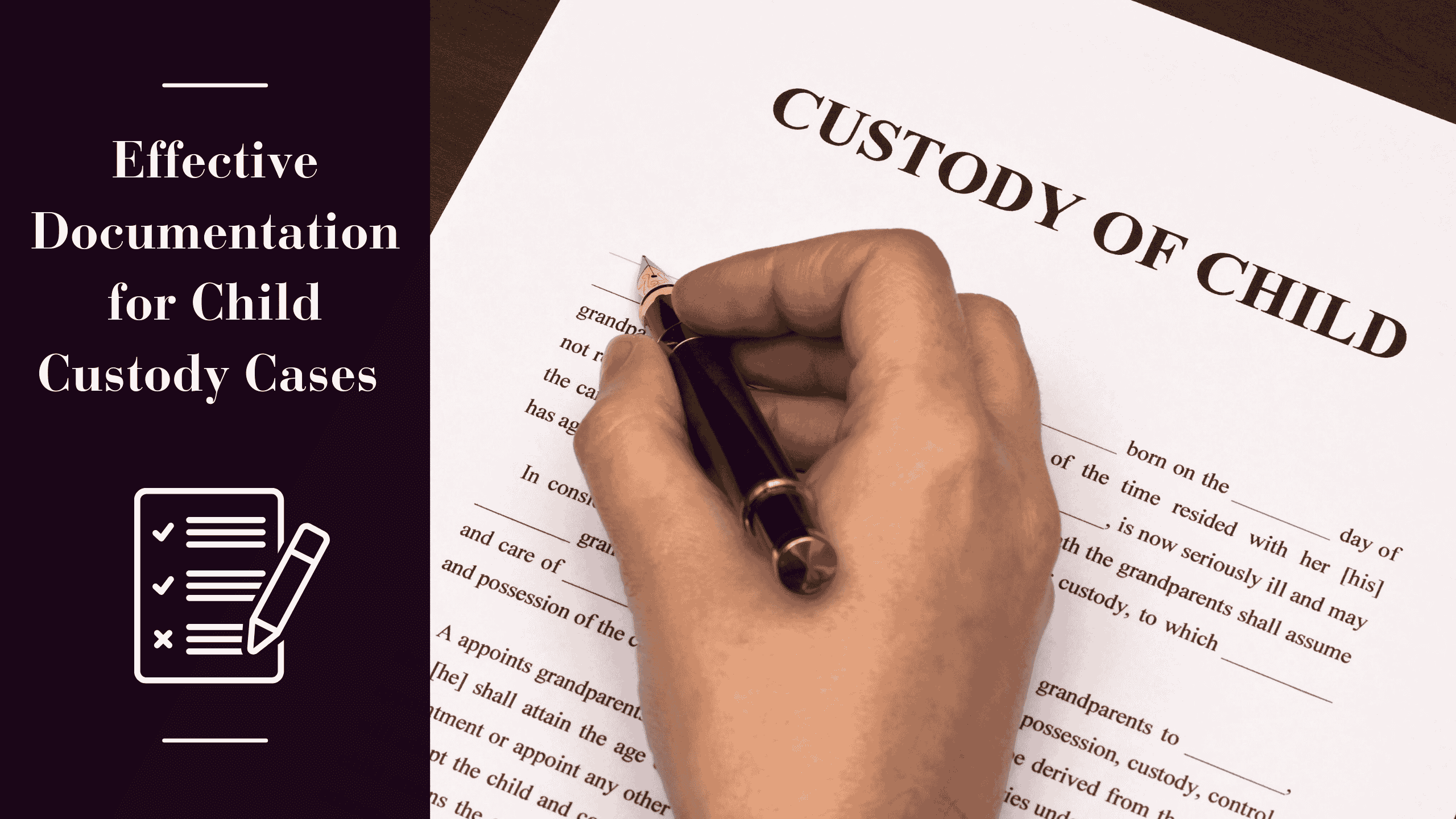
Child custody cases often depend on clear facts, dates, records, and evidence rather than competing recollections. Keeping accurate documentation can help create a reliable picture of a child’s routine, each parent’s involvement, and important events that may affect the child’s well-being. Courts generally focus on the best interests of the child, so organized records can make it easier to show consistent parenting, participation in school and medical matters, compliance with schedules, and responsible decision-making.
Useful documentation may include calendars, communication records, school information, medical records, expense records, photographs, receipts, and notes about significant events. The purpose is not to collect paperwork for its own sake. It is to build a factual, chronological history that can be reviewed and verified when necessary. Consistent recordkeeping can also help parents prepare more efficiently for discussions with attorneys, mediators, evaluators, or court officials.
Keep a Detailed Parenting Journal
One of the most useful habits when learning how to document everything for a custody case is maintaining a factual parenting journal. Entries should focus on objective information about parenting time, custody exchanges, school involvement, medical appointments, extracurricular activities, schedule changes, and significant interactions concerning the child.
Record important events as soon as reasonably possible so dates, times, and details remain accurate. Avoid speculation, insults, or emotional commentary. A concise entry describing what happened, when it happened, who was present, and what action was taken is usually more useful than an opinion about another person’s motives.
A parenting journal can be kept in a notebook, digital calendar, secure notes application, or dedicated documentation platform. Whatever method is used, consistency matters. Keeping entries in chronological order makes it easier to identify patterns and locate relevant information later.
Save Communication and Supporting Records
Written communication can provide important context in a custody matter. Save relevant emails, text messages, parenting-app messages, written agreements, and notices concerning schedules, school issues, healthcare, expenses, travel, or decisions affecting the child. Where possible, preserve the original message and date rather than relying only on screenshots or summaries.
Supporting records may include report cards, attendance information, school notices, medical documents, vaccination records, appointment confirmations, childcare records, and information about extracurricular activities. Financial records can also be useful when they relate directly to the child, such as healthcare costs, school expenses, childcare payments, activity fees, or support payments.
Photographs, receipts, and official documents may help confirm specific facts, but evidence should always be gathered lawfully. Rules on recording conversations, accessing accounts, privacy, and admissibility vary by location. Parents should avoid secretly accessing private accounts or recording conversations where doing so may violate local law.
Organize Records So They Can Be Verified
Good documentation is easier to use when it is organized. Create separate folders for parenting schedules, communications, school records, medical records, expenses, court documents, and other important categories. Within each folder, arrange material by date and use clear file names so individual records can be found quickly.
It is also sensible to keep secure backup copies of important documents. A simple timeline or index can make a large collection of records easier to review, especially if the case involves many months of events. The goal is to make the information understandable without exaggerating or removing context.
Keep Communication Professional and Child-Focused
Custody disputes can make communication difficult, but written messages may later be reviewed by attorneys, mediators, evaluators, or the court. Keep messages respectful, concise, and focused on the child’s needs. Avoid threats, personal attacks, repeated accusations, or arguments that do not help resolve the immediate parenting issue.
When confirming a schedule change or decision, use clear language and retain the response. If an agreement is reached verbally, a neutral written follow-up can help create an accurate record of what was discussed. Professional communication reduces confusion and makes the documentary record easier to understand.
Document Compliance With Parenting Arrangements
If a court order, parenting plan, or agreed schedule is already in place, keep accurate records of compliance. Note parenting-time exchanges, agreed changes, missed or rescheduled periods, important notices, and significant decisions. Do not create entries simply to build a case against the other parent. Record events consistently, including routine and uneventful periods, so the record does not appear selective.
Consistency is especially important in longer disputes. Regular updates to calendars, journals, and supporting files can create a more dependable history than attempting to reconstruct months of events from memory shortly before a hearing or meeting.
Work With a Qualified Legal Professional
Not every record will be relevant or admissible in a custody case. A qualified family-law attorney can explain which materials are likely to matter, how they should be preserved, and whether local rules affect recordings, digital evidence, privacy, or disclosure. Providing a lawyer with organized files and a clear timeline can also make it easier to identify the most important issues.
Effective custody documentation is ultimately about accuracy, consistency, and organization. Factual notes, preserved communications, reliable supporting records, and professional communication can help create a clearer history of parenting responsibilities and important events while keeping the focus on the child’s needs.
