

A comfortable home is more than just a beautiful space. It is a place where you can relax after a busy day, spend quality time with family, and enjoy everyday activities with ease. Thoughtful home improvements can make your living environment more practical, welcoming, and visually appealing without requiring a complete renovation. From improving lighting and updating furniture to organizing storage and enhancing indoor comfort, small changes can have a meaningful impact on how your home looks and feels.
The best home improvement ideas for comfortable living focus on balancing style, functionality, and personal needs. Whether you live in a small apartment, a traditional house, or a spacious family home, there are many ways to improve your surroundings while staying within your budget. By prioritizing practical upgrades, choosing durable materials, and creating spaces that support your daily routine, you can transform your home into a relaxing and inviting environment that remains comfortable throughout the year.
Read More: Fashion and Lifestyle Trends Defining This Year
Improve Natural Lighting Throughout Your Home
Natural light can make a home feel brighter, more spacious, and more welcoming. Rooms with sufficient daylight often feel more pleasant for reading, working, cooking, and relaxing. One simple home improvement is to keep windows clean, remove unnecessary obstructions, and choose lightweight curtains that allow sunlight to enter while maintaining privacy. Arranging furniture away from windows can also help distribute daylight more effectively throughout the room.
If your home has limited natural light, consider using light-colored wall finishes, reflective surfaces, and strategically placed mirrors to brighten darker areas. Mirrors positioned opposite windows can help spread available daylight, while glass doors may allow light to travel between adjoining spaces. Avoid relying entirely on artificial lighting during the day when natural light is available, and choose window treatments that suit the room’s orientation, climate, and privacy requirements.
Create a Comfortable and Functional Living Room
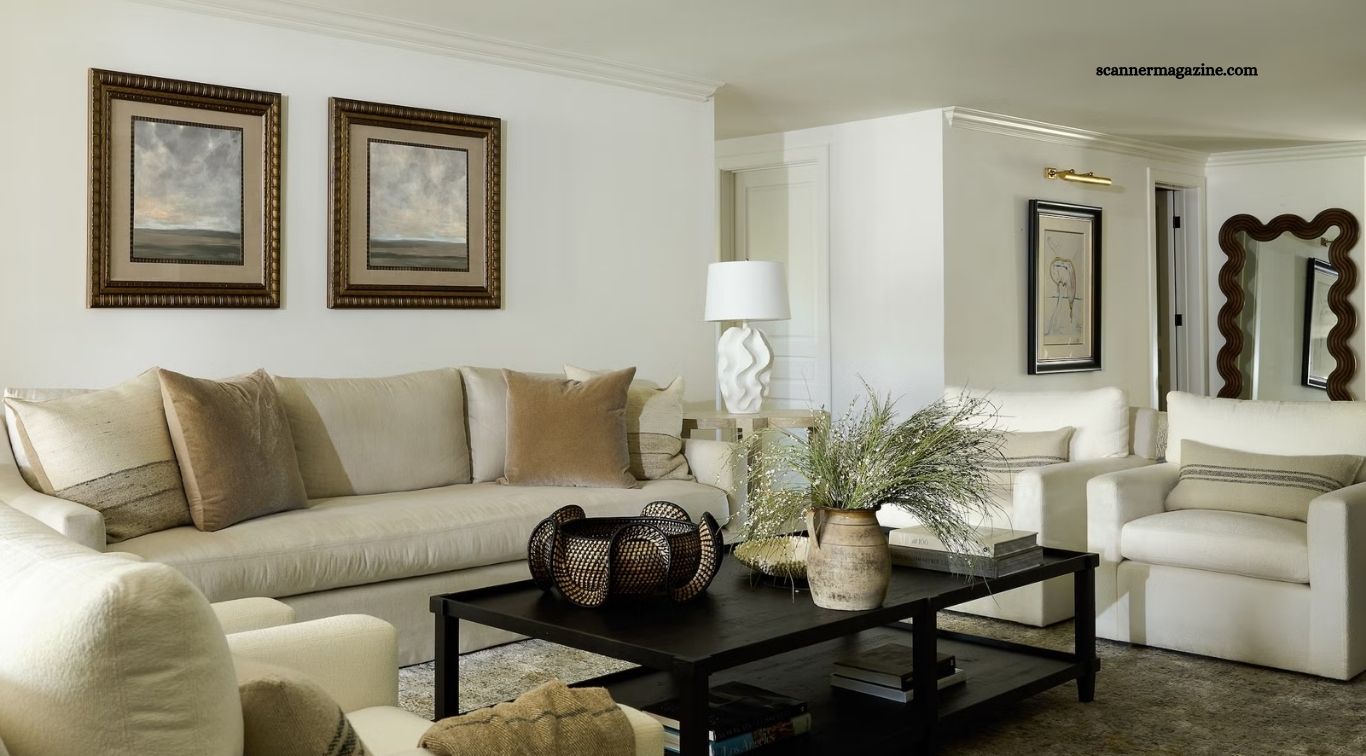
The living room is often the center of family life, making comfort and functionality especially important. Start by selecting seating that provides adequate support and suits the room’s size. A comfortable sofa, supportive armchairs, and a practical coffee table can create a welcoming arrangement without overcrowding the space. Arrange furniture to encourage conversation and allow easy movement between seating areas, doorways, and other parts of the home.
Soft furnishings can make the room feel warmer and more personal. Cushions, throws, area rugs, and curtains introduce texture while helping connect different colors and furniture styles. Choose fabrics that are comfortable and suitable for your household, particularly if children or pets use the room frequently. A combination of overhead lighting, floor lamps, and table lamps also makes it easier to adjust the atmosphere for reading, entertaining, or relaxing in the evening.
Upgrade Your Bedroom for Better Rest
A well-designed bedroom should feel peaceful, organized, and comfortable enough to support a relaxing bedtime routine. Begin with a suitable mattress, supportive pillows, and breathable bedding that feels pleasant in your local climate. Keep frequently used items within easy reach, and avoid placing unnecessary furniture around the bed. A clear layout helps reduce visual clutter and makes the room easier to clean and maintain.
Lighting, temperature, and noise control can also influence how comfortable your bedroom feels. Blackout curtains or well-fitted window coverings may help reduce unwanted light, while a quiet fan or suitable climate-control system can improve comfort when temperatures rise. Use calming colors, soft bedside lighting, and a limited number of decorative accessories to create a restful atmosphere. Keeping electronics and work materials organized can further help distinguish the bedroom as a place for relaxation.
Refresh Your Walls with Warm and Inviting Colors
Wall color can dramatically affect the mood and appearance of a room. Warm white, cream, beige, soft gray, and muted earth tones are versatile options for creating a comfortable environment. These shades work well with different furniture styles and can help smaller rooms feel more open. If you prefer more personality, consider a muted green, dusty blue, or warm terracotta accent wall that adds character without overwhelming the entire space.
Before repainting, consider the amount of natural light each room receives and the colors of existing floors, cabinets, and furnishings. A shade that looks attractive under bright showroom lighting may appear darker or cooler at home. Test paint samples on different sections of the wall and observe them at various times of day. Choosing a coordinated palette for adjoining rooms can also create a more connected appearance throughout the home while allowing individual spaces to retain their own character.
Make the Kitchen More Practical and Organized
A comfortable kitchen should support cooking, cleaning, storage, and everyday family activities without making tasks unnecessarily difficult. Begin by examining how you use the space and identifying areas where movement feels restricted. Keep frequently used cookware, utensils, and ingredients within convenient reach, and store occasional-use items in less accessible cabinets. Organizing work surfaces can make food preparation easier and create a cleaner, more spacious appearance.
You can improve the kitchen without replacing every cabinet or appliance. Updating cabinet handles, adding under-cabinet lighting, installing practical drawer organizers, or refreshing a backsplash can make a noticeable difference. If the budget allows, consider improving ventilation or replacing an inefficient fixture with a more suitable option. Prioritize upgrades that improve safety, cleaning, and everyday usability before making purely decorative changes, and ensure that electrical and plumbing work is handled appropriately.
Upgrade Bathroom Comfort and Functionality
The bathroom should be easy to use, hygienic, and comfortable for everyone in the household. Small improvements such as better lighting, accessible storage, quality towels, and well-positioned hooks can make daily routines more convenient. Organize toiletries in cabinets or baskets to reduce clutter around the sink, and select accessories that are easy to clean and suitable for the room’s moisture levels.
Safety and ventilation deserve particular attention in bathroom improvements. A properly functioning exhaust fan can help remove excess moisture, reducing condensation and the conditions that encourage mold growth. Slip-resistant flooring or suitable bath mats can help reduce the risk of falls, while grab bars may be useful for household members who need additional support. Repair leaking taps, damaged seals, and other maintenance issues promptly to protect surfaces and prevent more expensive problems later.
Improve Indoor Air Quality and Ventilation
Good indoor air quality contributes to a home that feels fresher and more pleasant. Regular cleaning, suitable ventilation, and controlling sources of indoor pollutants can help improve the environment. Open windows when outdoor conditions are suitable, use kitchen and bathroom exhaust fans when needed, and avoid allowing dust to accumulate on carpets, curtains, and upholstered furniture. If outdoor pollution is high, choose ventilation times carefully and consider appropriate filtration where practical.
Houseplants can add natural beauty to a room, but they should not be treated as a replacement for proper ventilation or air filtration. Address visible dampness, water leaks, and persistent musty odors rather than simply covering them with fragrances. When using cleaning products, follow their instructions and provide suitable ventilation. If household members experience ongoing symptoms that may be related to indoor conditions, consider identifying possible sources and seeking appropriate professional advice.
Add Smart Storage to Reduce Clutter
Clutter can make even a spacious home feel stressful and difficult to manage. Smart storage solutions help keep everyday items accessible while maintaining a neat appearance. Storage benches, drawer organizers, wall shelves, baskets, and cabinets can provide useful places for clothing, books, household supplies, and accessories. In smaller homes, furniture that combines seating or display space with hidden storage can be particularly valuable.
The most effective storage system reflects the way your household actually lives. Keep frequently used items near the places where they are needed, such as keys beside the entrance or cooking utensils close to the food preparation area. Review stored belongings regularly and donate or recycle items you no longer need when appropriate. Avoid purchasing organizers before assessing what needs to be stored, because reducing unnecessary possessions can sometimes solve the problem more effectively than adding more containers.
Improve Flooring for Everyday Comfort
Flooring affects the appearance, maintenance requirements, and comfort of a home. Carpet can provide a softer surface in bedrooms and selected living areas, while tile and other hard flooring materials are often practical in kitchens, bathrooms, and entryways. Wood and wood-look finishes can create warmth, and rugs can introduce softness and visual interest without requiring an entire floor replacement.
When choosing flooring, consider durability, moisture exposure, ease of cleaning, and the needs of household members. A textured, slip-resistant surface may be preferable in areas where water is common, while a comfortable rug can make a seating area feel more inviting. Use suitable rug pads to help prevent movement and reduce tripping risks. Before installing new flooring, check the condition of the existing subfloor and address moisture problems so that the improvement remains durable over time.
Create a Cozy Reading or Relaxation Corner
A dedicated relaxation corner can make even a busy home feel more personal. You do not need an entire room to create one; an unused corner, a space beside a window, or a quiet area near a bookshelf may be enough. Add a comfortable chair, a small side table, and a lamp that provides suitable light for reading. A soft throw and a cushion can make the arrangement more inviting without requiring expensive furniture.
Make the corner useful by keeping a few favorite books, a journal, or another relaxing activity nearby. Choose a location that offers reasonable privacy and is away from the busiest household pathways. If the area is small, select furniture with compact dimensions and avoid excessive decoration. The goal is to create a simple retreat that encourages you to pause, unwind, and enjoy a little quiet time during the day.
Make Your Home More Energy Efficient
Energy-efficient improvements can help make a home more comfortable while reducing unnecessary energy use. Start with practical steps such as replacing inefficient bulbs with suitable LED lighting, sealing noticeable drafts, and maintaining heating or cooling equipment. Properly fitted curtains and blinds may also help manage heat entering or leaving rooms, depending on the season and local climate.
For larger improvements, consider insulation, efficient appliances, and appropriately sized heating or cooling systems. The best choices depend on the building’s construction, weather conditions, electricity costs, and how each room is used. Before investing in expensive equipment, review the home’s main sources of energy loss and compare the expected benefits of different upgrades. Regular maintenance can also improve performance and help existing systems operate more reliably.
Improve Home Safety and Accessibility
A comfortable home should allow household members and visitors to move around safely and use essential facilities with confidence. Begin by keeping walkways clear, securing loose rugs, improving lighting on stairs, and making sure frequently used items are stored at accessible heights. Smoke alarms and carbon monoxide alarms, where applicable, should be installed and maintained according to local requirements and manufacturer instructions.
Accessibility improvements can make daily life easier for people of different ages and abilities. Lever-style door handles, better-lit entrances, grab bars in suitable locations, and reduced trip hazards can support safer movement. If someone in the household has specific mobility needs, consider their routine before choosing changes so that the improvements solve real problems. For structural alterations, electrical work, or other safety-related upgrades, use qualified professionals when required.
Bring Nature Indoors with Plants and Natural Materials
Natural elements can make interiors feel softer, more relaxed, and visually connected to the outdoors. Houseplants, wooden furniture, woven baskets, linen curtains, cotton bedding, and stone or ceramic accessories introduce varied textures without making a room feel overly decorated. These materials work well in many design styles, from modern minimalism to traditional cottage interiors, allowing you to personalize a space while maintaining a comfortable atmosphere.
Choose plants according to the light, temperature, and care conditions available in your home. If you have limited time for maintenance, consider varieties suited to your environment and watering routine. Place plants where they will not obstruct walkways or create hazards for children and pets, and check whether a plant is safe for animals before bringing it home. Even a small arrangement of greenery or a wooden decorative object can add natural character without requiring major changes.
Improve Outdoor Living Spaces
Balconies, patios, porches, and small gardens can extend your comfortable living area beyond the walls of your home. A few weather-appropriate chairs, a compact table, outdoor cushions, and suitable lighting can turn an unused area into a place for morning coffee, evening conversations, or quiet relaxation. In a small balcony, foldable furniture and vertical planters can help make better use of limited space.
Choose outdoor materials that can handle the local climate and follow the manufacturer’s care guidance. Provide shade where needed, maintain clear drainage, and keep pathways free from obstacles. If you have a garden, low-maintenance plants and clearly defined seating areas can create a more inviting environment without demanding constant attention. For apartments, check building rules before installing heavy planters, permanent fixtures, or outdoor lighting, and make sure any changes are secure.
Upgrade Lighting for Different Daily Activities
A comfortable home needs lighting that suits different tasks and moods. A single ceiling fixture may not provide enough illumination for reading, cooking, working, or relaxing. Combining general lighting with task lights and softer accent lighting gives you more control over the atmosphere and makes it easier to see clearly where precision is important.
Consider placing focused lighting above kitchen work surfaces, beside reading chairs, and near desks or hobby areas. Warm-toned bulbs can create a relaxed atmosphere in bedrooms and living rooms, while brighter task lighting may be useful in kitchens and workspaces. Use dimmable fixtures where practical, and ensure that bulbs and fittings are suitable for their location, especially in bathrooms or outdoor areas. Thoughtful lighting can improve both functionality and the overall feeling of a room.
Personalize Your Home with Meaningful Decor
A comfortable home should reflect the people who live in it. Family photographs, artwork, travel souvenirs, handmade objects, and treasured keepsakes can make a room feel personal rather than generic. Displaying a few meaningful pieces can also create visual interest without filling every shelf or wall. Choose items that bring positive associations or reflect your interests, and arrange them in ways that complement the room’s existing colors and materials.
Personal decor does not need to be expensive or perfectly coordinated. Framing a favorite print, displaying a collection of ceramics, or arranging books by color or subject can add character using items you already own. Rotate seasonal accessories or change a small display when you want a fresh look. By focusing on objects that matter to you, you can create a home that feels welcoming and authentic while avoiding unnecessary purchases.
Plan Home Improvements According to Your Budget
Planning your home improvements before spending money helps you focus on changes that provide the greatest benefit. Start by identifying the problems that affect daily comfort, such as poor lighting, limited storage, uncomfortable seating, drafts, or damaged fixtures. Compare the likely cost of addressing each issue and decide which improvements should be completed first. Safety concerns and problems that could cause further damage generally deserve priority over purely decorative updates.
You can often achieve meaningful results through gradual improvements rather than a major renovation. Rearranging furniture, repairing damaged items, repainting a room, or improving storage may deliver noticeable benefits at a manageable cost. For larger projects, obtain more than one estimate when practical, clarify what the work includes, and keep a contingency for unexpected expenses. A realistic plan makes it easier to maintain control over costs while gradually creating a home that better supports your needs.
Frequently Asked Questions
What are the best home improvement ideas for comfortable living?
Improve lighting, organize storage, choose comfortable furniture, and maintain good ventilation.
How can I improve my home without spending much money?
Rearrange furniture, declutter rooms, refresh existing decor, and complete small repairs.
Which home improvements make a small space feel bigger?
Use light colors, mirrors, multifunctional furniture, and smart storage solutions.
How can I make my bedroom more comfortable?
Choose supportive bedding, calming lighting, suitable window coverings, and a clutter-free layout.
What home improvements can help reduce energy use?
LED lighting, draft sealing, efficient appliances, and regular heating or cooling maintenance can help.
Why is ventilation important for a comfortable home?
Good ventilation helps remove excess moisture, reduce indoor pollutants, and maintain fresher air.
Conclusion
Home improvement ideas for comfortable living focus on making your home more functional, relaxing, safe, and personal. Better lighting, organized storage, comfortable furniture, practical kitchen and bathroom updates, improved ventilation, and thoughtful decor can all contribute to a more enjoyable living environment. You do not need to renovate every room at once; starting with the areas that affect your daily routine can make the process more manageable and rewarding. The best improvements are those that match your lifestyle, available space, and budget.

1 Comment
Pingback: Self-Care Habits That Make a Real Difference - Scanner Magazine