

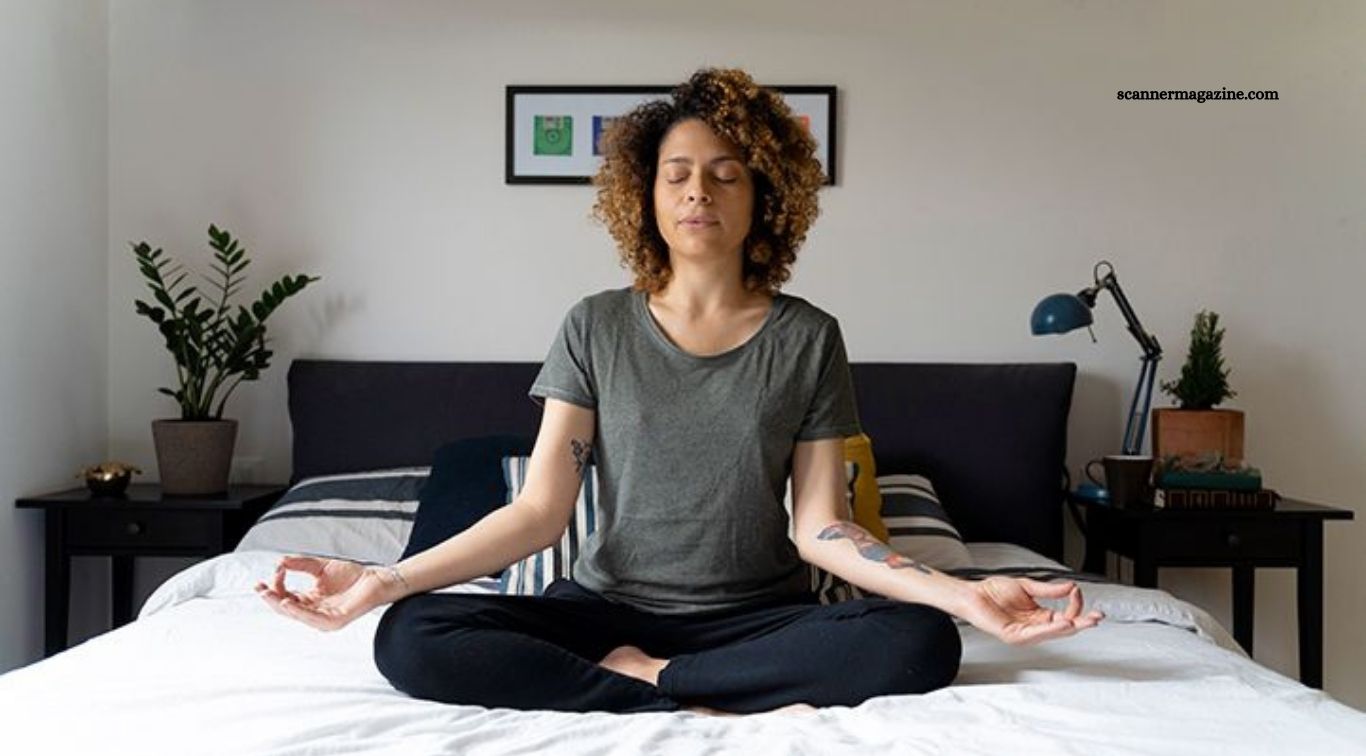
Self-care is often associated with relaxing baths, skincare routines, or occasional treats, but meaningful self-care goes much deeper than these activities. It involves developing everyday habits that support your physical health, emotional well-being, and overall quality of life. From getting enough sleep and eating balanced meals to setting healthy boundaries and making time for activities you enjoy, small choices can gradually create a noticeable difference in how you feel and function each day.
The most effective self-care habits are realistic, consistent, and suited to your individual needs. You do not need an expensive wellness routine or hours of free time to take better care of yourself. Simple actions, such as stepping outside for fresh air, taking breaks from your phone, talking to someone you trust, or allowing yourself to rest without guilt, can become valuable parts of everyday life. By focusing on sustainable habits rather than perfection, you can build a self-care routine that supports a healthier, calmer, and more balanced lifestyle.
Read More: Home Improvement Ideas for Comfortable Living
Prioritize Quality Sleep Every Night
Quality sleep is one of the most important foundations of self-care because it supports concentration, mood, energy, and everyday functioning. When you consistently get enough rest, ordinary tasks may feel more manageable, and you may find it easier to respond calmly to daily challenges. Poor sleep, on the other hand, can leave you feeling tired, distracted, and less motivated to maintain other healthy habits.
Creating a consistent bedtime routine can make sleep a more reliable part of your schedule. Try going to bed and waking up at similar times, reducing bright screen exposure before bed, and keeping your sleeping environment quiet, dark, and comfortable. Relaxing activities such as reading, gentle stretching, or listening to calming music can help you wind down. Adults generally need around seven to nine hours of sleep, although individual needs vary.
Start Your Day with a Gentle Morning Routine
A thoughtful morning routine can help you begin the day with greater intention instead of immediately reacting to messages, deadlines, and other demands. You do not need to wake up extremely early or follow a complicated schedule to benefit from a calmer start. Drinking water, opening the curtains, washing your face, and taking a few quiet minutes to consider your priorities can create a positive foundation for the day ahead.
The key is to choose morning habits that feel manageable rather than adding unnecessary pressure to your schedule. If you have limited time, begin with just one or two activities that help you feel prepared. You might stretch briefly, eat breakfast, write down your main task, or spend a few minutes outdoors when possible. A flexible routine can provide structure while allowing you to adapt to changing responsibilities and energy levels.
Eat Balanced Meals That Support Your Well-Being
Nutrition is an essential part of self-care because food provides the energy and nutrients your body needs for daily activities. Balanced meals can help support concentration, physical functioning, and overall health. Rather than following restrictive food rules or searching for a perfect diet, focus on eating a variety of foods that you enjoy and that meet your nutritional needs.
Include a mixture of vegetables, fruits, whole grains, protein sources, and healthy fats according to your preferences, budget, and circumstances. Planning a few simple meals ahead of time can make eating well more convenient during busy days. It is also helpful to approach food without unnecessary guilt and recognize that one meal does not define your overall habits. A flexible, balanced approach is often easier to maintain than a routine built around strict restrictions.
Stay Hydrated Throughout the Day
Drinking enough fluids is a simple self-care habit that can be easy to overlook when you are busy. Water supports many essential bodily functions, and insufficient fluid intake can contribute to symptoms such as thirst, fatigue, and headaches. Keeping hydration in mind throughout the day may help you feel more comfortable and support your ability to carry out ordinary activities.
Make hydration easier by keeping a reusable water bottle nearby or drinking water with meals. You can also include water-rich foods, such as fruits and vegetables, as part of your daily routine. Fluid needs vary depending on activity, climate, diet, and individual health factors, so there is no single amount that suits everyone. Pay attention to your body’s needs and follow professional guidance if you have been advised to limit or carefully manage your fluid intake.
Make Movement Part of Your Daily Routine
Physical activity can be a valuable form of self-care because it supports physical health and may also improve mood, sleep, and stress management. Exercise does not have to mean an intense gym session or a demanding training plan. Walking, cycling, dancing, gardening, stretching, and other activities can all provide opportunities to move more throughout the day.
Choose activities that you enjoy and can realistically fit into your schedule. A short walk during a break, a few minutes of stretching after sitting for a long time, or an evening dance session at home can be a useful starting point. Build your activity level gradually and allow time for recovery. The goal is to develop a sustainable relationship with movement rather than treating exercise as punishment or something you must do perfectly.
Set Healthy Boundaries to Protect Your Energy
Healthy boundaries are an important part of emotional self-care because they help you manage your time, responsibilities, and relationships. When you agree to every request, you may leave little space for rest or personal priorities. Learning to recognize your limits can reduce unnecessary pressure and help you give more attention to the commitments that matter most.
Setting boundaries does not mean being unkind or refusing to help others. It means communicating clearly about what you can reasonably manage. You might explain that you are unavailable at a particular time, ask for more notice before accepting a commitment, or limit work messages outside working hours when possible. Begin with small changes and use respectful, direct language. Over time, consistent boundaries can help create healthier expectations in both personal and professional relationships.
Take Breaks from Screens and Social Media
Digital devices make it easier to work, communicate, and find information, but constant screen use can leave little room for rest or uninterrupted attention. Frequent notifications and endless scrolling may also encourage comparison with other people’s carefully selected online lives. Digital self-care involves using technology intentionally rather than allowing it to occupy every quiet moment.
Start by noticing when and why you reach for your phone. You could silence nonessential notifications, avoid checking social media during meals, or set aside short periods for screen-free activities. Replacing some scrolling time with reading, walking, conversation, or a relaxing hobby can help create a better balance. You do not need to abandon technology completely; the aim is to make your digital habits support your well-being instead of competing with your priorities.
Practice Mindfulness and Deep Breathing
Mindfulness involves paying attention to the present moment with greater awareness and less automatic judgment. It can help you notice your thoughts, emotions, and physical sensations before reacting to them. Although mindfulness does not remove every source of stress, regular practice may help some people develop a calmer and more deliberate response to challenging situations.
You can practice mindfulness through a short breathing exercise, a quiet walk, or a few moments of focused attention during an ordinary activity. Sit comfortably, breathe naturally, and gently bring your attention back to your breathing whenever your mind wanders. There is no need to force yourself to feel calm or empty your mind completely. Start with a few minutes and choose an approach that feels comfortable. If focusing on breathing feels distressing, try grounding yourself by noticing the sights and sounds around you instead.
Make Time for Activities You Genuinely Enjoy
Enjoyable activities are an important part of self-care because life should include more than responsibilities and obligations. Hobbies can provide a sense of pleasure, creativity, relaxation, and personal identity outside work or household duties. Reading, painting, cooking, gardening, listening to music, photography, or learning a new skill can all create opportunities to recharge.
You do not need to turn a hobby into a productive achievement for it to be worthwhile. Choose activities because they interest you, not because they are popular or likely to impress someone else. If your schedule is full, begin by setting aside a short period each week for something you enjoy. Keeping the activity simple and accessible can make it easier to continue, even during demanding periods.
Build Stronger Connections with Other People
Social connection is an important part of emotional well-being. Supportive relationships can provide companionship, encouragement, perspective, and a sense of belonging. Even when life becomes busy, maintaining contact with people you trust can help prevent your routine from becoming focused entirely on work, chores, and individual responsibilities.
Meaningful connection does not require frequent gatherings or a large social circle. A thoughtful message, a phone call, a shared meal, or a short conversation can help maintain a relationship. Make time for people who respect your boundaries and allow you to feel accepted as yourself. If relationships are a source of ongoing stress, it may be helpful to reflect on what needs to change and seek support from someone trustworthy. Healthy connection should allow room for honesty, mutual respect, and individuality.
Learn to Manage Stress in Healthy Ways
Stress is a normal part of life, but ongoing pressure can make it harder to rest, concentrate, and enjoy everyday experiences. Healthy stress management begins with recognizing what is causing tension and identifying which parts of the situation you can influence. Sometimes the most useful response is to solve a practical problem; at other times, it may be to pause, seek support, or adjust unrealistic expectations.
Try breaking large tasks into smaller steps, taking regular breaks, and making time for activities that help you relax. Writing down your worries may help you identify specific actions instead of repeatedly thinking about the same concerns. Gentle movement, enjoyable hobbies, and conversations with supportive people can also be helpful. If stress becomes overwhelming, persistent, or difficult to manage independently, consider speaking with a qualified mental health professional for additional guidance.
Keep a Journal to Understand Your Thoughts
Journaling can be a useful self-care habit because it provides a private space to reflect on experiences, recognize emotions, and organize thoughts. Writing about a difficult day may help you identify what upset you, what you need, and what you might do differently next time. Recording positive moments can also remind you that enjoyable experiences exist alongside everyday challenges.
There is no single correct way to keep a journal. You can write freely for a few minutes, note what you are grateful for, or record one challenge and one thing that went well. If writing long entries feels overwhelming, use a notebook or digital document to capture a few sentences. Avoid turning journaling into another task you must complete perfectly. Its purpose is to help you understand yourself, not to produce polished writing or judge every emotion you experience.
Keep Your Living Space Clean and Calming
Your surroundings can influence how comfortable and relaxed you feel at home. A cluttered or disorganized space may make everyday tasks more difficult, while a functional environment can help you find what you need and enjoy your downtime. Self-care does not require a spotless home, but maintaining a few areas that support rest and daily routines can make a difference.
Begin with small, manageable actions such as clearing your bedside table, organizing your desk, washing dishes after a meal, or preparing a comfortable place to sit. Natural light, soft lighting, pleasant textures, and a few meaningful objects can also make your surroundings feel more inviting. Instead of trying to clean everything in one day, choose a short routine that fits your schedule. A home that works for your needs is more valuable than one that looks perfect in photographs.
Learn to Say No Without Feeling Guilty
Saying no can be difficult when you want to please others, avoid conflict, or meet everyone’s expectations. However, accepting every request can lead to exhaustion and leave little time for your own responsibilities. Learning to decline commitments respectfully is a practical self-care skill that helps you protect your energy and make choices that reflect your priorities.
You can be considerate without giving a long explanation for every decision. A simple response such as explaining that you cannot take on another task right now may be enough. If you are unsure whether to accept a request, give yourself time to check your schedule rather than responding immediately. Remember that declining one commitment does not mean you do not care about the person asking. It means you are recognizing your limits and making room for the responsibilities you can realistically manage.
Create a Realistic Personal Care Routine
Personal care habits can help you feel refreshed, comfortable, and more prepared for everyday activities. A routine might include bathing, oral hygiene, skincare suited to your needs, clean clothing, and maintaining a sleep schedule. These ordinary activities may seem simple, but consistency can make them easier to manage, especially during busy or stressful periods.
Choose products and routines that suit your skin, preferences, budget, and lifestyle rather than feeling pressured to follow every beauty trend. A basic skincare routine may be sufficient for many people, and adding more products does not automatically produce better results. Prepare the items you use regularly in an accessible place to reduce friction. Most importantly, treat personal care as a way to support your comfort and health, not as a requirement to meet unrealistic appearance standards.
Spend Time Outdoors and Connect with Nature
Spending time outdoors can provide a refreshing break from indoor routines and digital distractions. A walk in a park, time in a garden, or simply sitting outside for a few minutes can offer a change of scenery and an opportunity to slow down. Natural surroundings may also encourage gentle movement and provide space for reflection without requiring a complicated plan.
You can make outdoor time part of your routine by taking a short walk during lunch, sitting on a balcony, tending to plants, or choosing an outdoor route when running errands. Adapt your plans to the weather, local environment, and personal comfort, and use suitable sun protection when needed. If outdoor access is limited, caring for indoor plants or sitting near a window can still provide a small connection with the natural world.
Celebrate Small Wins and Practice Self-Compassion
Self-care becomes more sustainable when you recognize progress instead of focusing only on what remains unfinished. Small accomplishments, such as completing a difficult task, taking a needed break, preparing a meal, or maintaining a healthy boundary, deserve acknowledgment. Recognizing these moments can help you appreciate the effort involved in everyday life and encourage you to continue building useful habits.
Self-compassion means responding to your own difficulties with understanding rather than harsh criticism. Everyone experiences setbacks, low-energy days, and periods when routines become harder to maintain. Instead of treating a missed workout or an unproductive afternoon as a personal failure, consider what made the situation difficult and what might help next time. Progress rarely follows a perfectly straight path. Giving yourself room to learn and adjust can make personal growth feel more realistic and less stressful.
How to Build Self-Care Habits That Last
The most useful self-care routine is one that fits naturally into your life. Trying to change your sleep schedule, diet, exercise habits, screen time, and daily routine all at once can feel overwhelming. A more manageable approach is to identify one area where a small change would make life easier and practice that habit consistently before adding another.
Connect new habits to activities you already do. For example, drink water after waking up, stretch after finishing work, or spend a few minutes preparing for the next day before bed. Make the habit easy to begin, adjust it when circumstances change, and notice how it affects your well-being. Some habits will suit you better than others, so allow yourself to experiment. Consistency matters, but flexibility helps you maintain self-care during busy weeks and unexpected challenges.
Frequently Asked Questions
What are the most effective self-care habits?
Quality sleep, balanced nutrition, regular movement, healthy boundaries, and meaningful social connections are useful foundations.
How can I practice self-care with a busy schedule?
Start with small habits, such as taking short breaks, drinking water, or spending a few quiet minutes relaxing.
Why is self-care important for mental well-being?
Self-care can support stress management, emotional balance, and healthier everyday routines.
Does self-care have to cost money?
No, activities such as walking, journaling, resting, and connecting with loved ones can be free.
How do I make self-care habits consistent?
Begin with one manageable habit and connect it to an activity already in your routine.
What should I do when self-care feels overwhelming?
Simplify your routine, focus on your most immediate needs, and seek support when you need it.
Conclusion
Self-care habits that make a real difference are often simple, everyday choices rather than expensive treatments or dramatic lifestyle changes. Quality sleep, balanced meals, regular movement, healthy boundaries, meaningful relationships, enjoyable hobbies, and mindful technology use can all support a more balanced life. By paying attention to your needs and making small adjustments, you can build routines that help you feel more supported, capable, and connected to yourself. Remember that self-care is personal, and what works well for one person may not work for another.

1 Comment
Pingback: Minimalist Living Tips for a Stress-Free Home - Scanner Magazine