

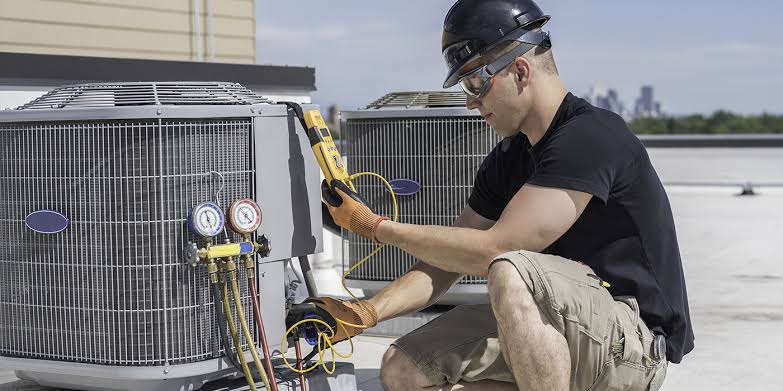
The shortage of skilled HVAC technicians is one of the most persistent challenges in the trades. Experienced techs are hard to find and expensive to hire, so many companies are turning to newer technicians, apprentices and career changers to fill their ranks. That makes onboarding a critical skill for the business. A new technician who becomes productive in three months instead of nine is worth far more to the company, and is far more likely to stay.
Yet in many HVAC businesses, onboarding is informal at best. A new hire rides along with whoever is available, picks up habits good and bad, and gradually figures things out. Here is how to build a faster, more consistent path from first day to fully independent technician.
Define What “Ready” Looks Like
You cannot onboard efficiently without a clear destination. Start by writing down what a new technician needs to be able to do before working independently. This might include completing a standard maintenance visit on common residential systems, diagnosing basic no-heat and no-cool problems, handling refrigerant safely and in compliance with regulations, completing paperwork accurately and communicating professionally with customers.
Break these capabilities into stages. A new tech might start by handling filter changes and tune-ups, then progress to basic diagnostics, then to repairs, and finally to more complex installations or commercial work. Each stage should have clear criteria for moving forward.
Create a Structured Ride-Along Program
Ride-alongs are the heart of HVAC training, but they are often left to chance. A structured program makes them far more effective.
Pair new technicians with a small number of experienced mentors rather than rotating them randomly. Choose mentors who are not only skilled but also patient and good at explaining their thinking. Give mentors a simple checklist of skills to demonstrate and observe, and ask them to note progress after each week.
Encourage new techs to take an increasingly active role. In the first weeks they watch and assist; later they lead the job while the mentor observes and steps in only when needed. This gradual handover builds confidence and competence together.
Standardize Procedures and Checklists
Every experienced technician has their own way of doing things, which can confuse a new hire who learns different methods from different mentors. Standardizing core procedures removes that confusion.
Develop checklists for the most common job types: residential cooling tune-up, furnace maintenance, heat pump inspection, new system startup. Each checklist should list the steps, the measurements to record and the conditions to note. Checklists help new techs remember every step, make quality more consistent across the team and give supervisors a clear way to review work.
Give Technicians Information Before They Arrive
Much of the stress new technicians feel comes from walking into the unknown. Who is the customer? What equipment is installed? Has this unit had problems before?
Providing job details ahead of time makes a big difference. When technicians can see the customer’s service history, equipment details, previous notes and photos on their phone before they arrive, they can prepare, look up unfamiliar equipment and ask a mentor for advice in advance. Software for HVAC companies that puts job history, checklists and customer details in the technician’s mobile app shortens the learning curve because new hires are never starting from zero.
Combine Field Experience With Focused Learning
Field experience is essential, but it is not enough on its own. New technicians benefit from structured learning on fundamentals such as the refrigeration cycle, electrical basics, airflow and combustion safety.
You do not need to build a full training academy. Short weekly sessions, whether in person at the shop or through recommended online courses, can cover one topic at a time. Pair theory with practice by asking new techs to apply what they learned on their next few jobs. Supporting technicians as they work toward required certifications also signals that the company is invested in their growth.
Use Real Jobs as Teaching Moments
Some of the best learning happens after the job is done. Encourage mentors and new techs to briefly review completed jobs: What was the problem? How was it diagnosed? What could have been done faster or better?
Photos and notes recorded during the job make these reviews more useful. A supervisor can look at a new tech’s completed checklists and photos, spot gaps and give specific feedback without having been on site.
Mentors benefit from these reviews as well. Explaining their reasoning out loud often reveals shortcuts or habits worth rethinking, and it helps the whole team converge on the best way of doing common jobs.
Check In Regularly
New technicians often hesitate to admit they are struggling, worried that it will look like failure. Regular check-ins create a safe space for honest conversation.
Schedule short one-on-one meetings every week or two during the first few months. Ask what is going well, what feels difficult and what support they need. Review their progress against the defined stages and agree on the next skills to focus on. These conversations also give early warning if a new hire is considering leaving.
Recognize Progress
Moving from apprentice to independent technician is a significant achievement. Mark each milestone. A small raise when a tech reaches a new stage, a new title, or simply public recognition in a team meeting reinforces progress and keeps motivation high.
Clear career paths also help retention. When new techs can see how they might become senior technicians, trainers or service managers, they are more likely to stay and grow with the company.
A Competitive Advantage in a Tight Labor Market
HVAC companies that can turn new hires into skilled, confident technicians quickly have a real advantage. They are less dependent on poaching experienced techs from competitors, they can scale up for busy seasons more easily, and they build a team that shares the company’s standards and values. Investing in structured onboarding is not just a training expense; it is a strategy for long-term growth.
