

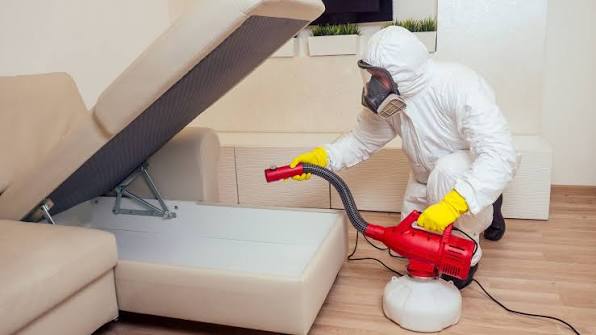
The Importance of Insect Protection
Insect protection is an essential part of maintaining a clean, comfortable, and healthy living environment. Insects such as mosquitoes, flies, ants, wasps, moths, and other unwanted pests can quickly become a problem in residential and commercial properties. Although some insects play important roles in the natural environment, their presence inside homes and workplaces can create inconvenience, damage household items, and increase concerns about hygiene. Mosquitoes and flies, for example, can carry harmful microorganisms, while other insects may contaminate food, disturb sleep, or cause unpleasant bites. This makes effective insect protection an important consideration for homeowners, tenants, business owners, and property managers who want to create safer indoor spaces. As temperatures rise during warmer months, insect activity often increases, making properties more vulnerable to unwanted visitors. Open windows and doors provide ventilation and natural light, but they can also become convenient entry points for insects. Without suitable protective measures, even well-maintained properties may experience recurring insect problems. Effective insect protection focuses on preventing insects from entering rather than relying entirely on chemical treatments after they have already appeared. This preventive approach can make everyday living more convenient while reducing the need for repeated pest-control activities. Modern insect protection solutions include window screens, door screens, mesh barriers, insect nets, and specially designed screening systems that create a physical barrier without completely blocking fresh air. These products are available in different materials, sizes, designs, and installation styles, allowing property owners to choose options that suit their individual requirements. For example, fine mesh screens can prevent many common flying insects from entering while allowing natural ventilation to continue. Homeowners can also combine physical barriers with good cleaning practices, covered food storage, and regular maintenance to improve overall protection. Understanding the importance of insect prevention is the first step toward choosing practical solutions that provide lasting benefits. Rather than waiting until insects become a serious nuisance, taking preventive action helps create an environment where families can enjoy open windows, comfortable rooms, and better everyday convenience throughout the year.
2. Different Types of Insect Protection Solutions for Modern Properties
Choosing the right Insektenschutz solution depends on the property layout, the types of insects commonly encountered, and the areas that require protection. One of the most popular options is window insect screening, which allows fresh air to circulate while creating a barrier against mosquitoes, flies, and other small flying insects. These screens can be fitted to different window styles, including sliding, hinged, and fixed windows. Sliding insect screens are particularly useful for properties with large sliding windows or patio doors because they can move smoothly along existing tracks. They provide convenient access while maintaining protection when closed. Another practical option is a hinged insect screen, which works similarly to a traditional door and can be opened whenever necessary. Magnetic screens offer another convenient choice, particularly for doorways where frequent access is required. Their magnetic closure allows people to pass through while helping the screen return to its closed position. For homeowners who prefer a less permanent installation, removable and clamp-on insect screens can provide flexibility without requiring extensive modifications to window frames. These systems are especially useful for rented properties or situations where drilling and permanent fixtures are not desirable. Pleated insect screens are also becoming popular because of their compact folding design and suitability for larger openings. They can be extended when protection is needed and folded away when the opening is not in use. Different mesh materials offer additional choices depending on the required level of protection, visibility, and airflow. Fiberglass mesh is commonly selected because it is flexible, lightweight, and resistant to corrosion. Aluminium mesh offers a more rigid structure and can be suitable for applications where additional durability is desired. Some specialist screens use finer mesh designs to help prevent smaller insects from entering. When selecting a product, it is important to consider mesh quality, frame construction, opening dimensions, and ease of maintenance. A suitable insect protection system should fit properly without leaving gaps around its edges. Even a small opening can allow unwanted insects to enter, reducing the effectiveness of the entire installation. By comparing available screening styles and materials, property owners can identify solutions that match their buildings, budgets, and everyday routines.
3. How Insect Screens Improve Health Comfort and Everyday Living
Installing effective insect protection can contribute significantly to a more comfortable indoor environment. One of the main advantages of insect screens is that they help reduce contact with mosquitoes, flies, and other insects that may carry harmful microorganisms. Mosquitoes are particularly troublesome because their bites can cause itching and irritation, while certain mosquito species can transmit diseases. Flies can also move between waste materials, contaminated surfaces, and food preparation areas, creating hygiene concerns in kitchens and dining spaces. Physical screening helps limit these insects’ access to indoor environments, providing an additional layer of protection for households and businesses. Another important benefit is improved ventilation. During warm weather, many people prefer opening windows to allow natural air to move through their homes instead of relying entirely on air conditioning or electric fans. However, leaving windows open without protection can make rooms uncomfortable because insects may enter throughout the day and night. Insect screens provide a practical balance by allowing fresh air to circulate while reducing unwanted insect entry. This can make bedrooms, living rooms, kitchens, and home offices more pleasant places to spend time. Better ventilation may also help reduce indoor stuffiness and improve general comfort, although insect screens should be combined with appropriate ventilation practices for effective indoor air quality management. Families with children may particularly appreciate having screened windows and doors because they can enjoy natural airflow without constantly worrying about mosquitoes entering the room. Similarly, people who spend considerable time working from home can benefit from fewer interruptions caused by buzzing insects. Insect protection can also support more enjoyable outdoor living when installed around patios, balconies, conservatories, and garden rooms. These spaces become easier to use when insects are less likely to disturb meals, conversations, or relaxation. Another advantage is the reduced need to depend on chemical insect sprays for everyday prevention. Although approved pest-control products can be useful in certain situations, physical barriers provide a preventive alternative that does not require spraying indoor surfaces regularly. Screens can also help reduce the inconvenience of cleaning dead insects from windowsills, furniture, and floors. Their benefits extend beyond residential settings to restaurants, offices, retail stores, hotels, and other commercial properties where customer comfort and hygiene are important. Overall, effective insect protection supports a cleaner and more welcoming environment by combining ventilation, convenience, and preventive pest management in one practical solution.
4. Important Factors to Consider When Choosing and Installing Insect Protection
Selecting suitable insect protection requires careful consideration of several factors to ensure the finished installation performs effectively over time. The first consideration should be the size and design of the opening that needs protection. Windows, standard doors, sliding doors, balcony entrances, and large patio openings may all require different screening systems. Accurate measurements are essential because incorrectly sized screens can leave gaps that allow insects to pass through. Property owners should measure the width and height of each opening carefully and consider any handles, frames, tracks, or other fittings that could affect installation. The second factor is mesh quality. A good-quality mesh should provide reliable insect resistance while allowing sufficient airflow and visibility. Very dense mesh may offer protection against smaller insects, but it can reduce ventilation compared with more open designs. Therefore, the ideal mesh should balance insect prevention with the need for comfortable indoor airflow. Frame material is another important consideration. Aluminium frames are often selected for their strength, durability, and resistance to everyday environmental conditions. Plastic frames can provide a lightweight and economical alternative, depending on the intended application and product quality. It is also worth considering whether the screen needs to be removable. Fixed screens may be suitable for windows that rarely require access, while sliding, hinged, and retractable systems provide greater flexibility for frequently used openings. Professional installation can be beneficial when dealing with unusually shaped windows, large doors, or custom-made screening systems. Experienced installers can help ensure accurate measurements, secure fittings, and smooth operation. However, some simple removable screens are designed for straightforward installation by homeowners. Maintenance should also influence purchasing decisions. Screens exposed to dust, pollen, rain, and outdoor pollution may require regular cleaning to maintain airflow and appearance. A gentle brush or soft cloth can remove loose dirt, while mild soapy water can help clean more stubborn deposits when permitted by the manufacturer’s instructions. Harsh cleaning chemicals and excessive pressure should generally be avoided because they may damage the mesh or frame. Property owners should also inspect screens periodically for tears, loose corners, damaged fasteners, and worn seals. Even a small tear can reduce the effectiveness of an insect barrier. Repairing minor damage early can help extend the useful life of the product and prevent more extensive problems. Before purchasing, customers should compare product specifications, warranties, replacement-part availability, and installation requirements. Considering these details helps ensure that the chosen insect protection system offers practical performance, convenient operation, and suitable long-term value.
5. Maintaining Effective Insect Protection for Long-Term Benefits
Maintaining insect protection is just as important as selecting the right screening system. Even high-quality insect screens require occasional inspection and cleaning to remain effective. Dust, pollen, leaves, and other outdoor particles can gradually accumulate on the mesh, potentially reducing airflow and making the screens appear dirty. Establishing a simple cleaning routine can help prevent excessive buildup and keep screening systems in good condition. The cleaning frequency depends on the surrounding environment, weather conditions, and the amount of dust or pollution near the property. Homes located close to busy roads, construction areas, gardens, or trees may require more frequent maintenance than properties in cleaner surroundings. During cleaning, homeowners should use suitable materials that will not stretch, tear, or weaken the mesh. Frames, tracks, hinges, and locking mechanisms should also be checked to ensure that moving screens continue to operate correctly. Sliding systems may require particular attention because dirt can collect inside their tracks and interfere with smooth movement. Removing accumulated debris can help maintain proper operation and reduce unnecessary wear. Seasonal inspections are also useful, particularly before warmer months when mosquitoes and other flying insects become more active. Checking screens at the beginning of spring or summer provides an opportunity to identify damage before insect activity increases. If a mesh section becomes torn, repairing or replacing it promptly can restore protection and prevent insects from entering through the damaged area. In addition to screen maintenance, property owners should adopt other practical habits that support insect prevention. Food should be stored in sealed containers, rubbish bins should remain covered, and kitchen surfaces should be cleaned regularly. Standing water around the property should also be removed where possible because it can provide breeding opportunities for mosquitoes. Drains, gutters, plant containers, and outdoor storage areas deserve particular attention, especially after rainfall. Doors and windows should be kept closed when screening is not installed or when protective systems are temporarily removed. Combining these everyday practices with suitable physical barriers creates a more comprehensive approach to insect management. As property designs and household requirements continue to change, modern insect protection products are also becoming more versatile, offering improved materials, discreet frames, and convenient opening mechanisms. Custom-made screens provide additional flexibility for unusual architectural features and larger openings that standard products may not accommodate. Ultimately, effective insect protection is an investment in comfort, cleanliness, and everyday convenience. By selecting appropriate screening products, arranging proper installation, and following regular maintenance practices, homeowners and businesses can enjoy fresh air while reducing unwanted insect entry. A well-planned protection system makes indoor and outdoor spaces more enjoyable and helps maintain a comfortable environment throughout different seasons of the year.
