

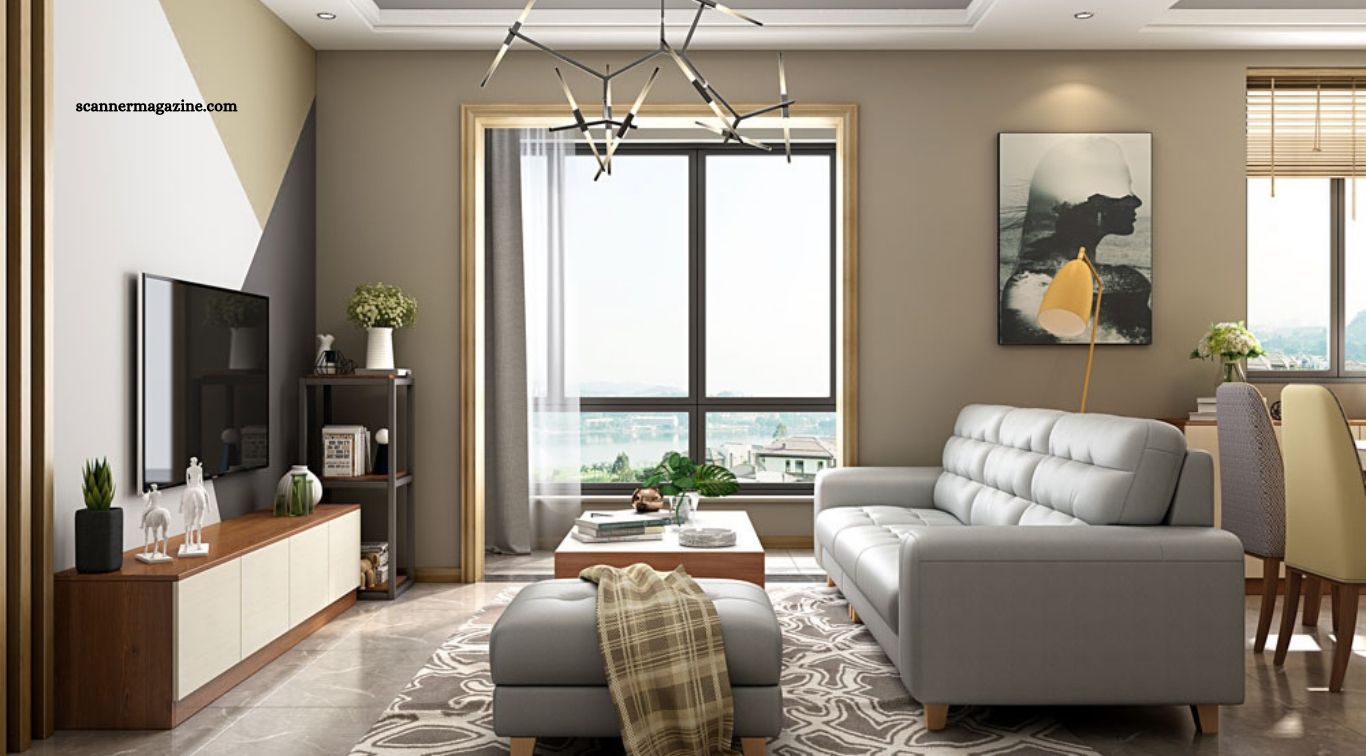
Modern life offers convenience, technology, and opportunities that previous generations could hardly imagine. Yet busy schedules, digital distractions, financial pressures, and constant demands can make it difficult to feel relaxed and satisfied. Creating a happier lifestyle does not always require major changes or expensive purchases. Often, small improvements in daily habits, home environments, relationships, and personal priorities can make life feel more comfortable and meaningful.
Modern living is about finding practical ways to make everyday experiences better. This can mean creating a peaceful home, spending more time outdoors, using technology thoughtfully, improving sleep, and making room for activities that bring genuine enjoyment. By focusing on what matters most rather than trying to achieve a perfect lifestyle, people can build routines that support happiness, balance, and long-term well-being.
Read More: Everyday Habits of Highly Successful People
Create a Comfortable and Peaceful Home
Your home can have a significant influence on how you feel throughout the day. A comfortable, organized environment can make everyday tasks easier and provide a place to relax after work or other responsibilities. You do not need a large house or expensive furniture to create a welcoming atmosphere. Natural light, fresh air, comfortable seating, clean surfaces, and a few personal decorations can make even a small space feel more pleasant.
Start by improving the areas you use most often, such as the bedroom, living room, kitchen, or workspace. Remove unnecessary clutter, choose colors that feel calming to you, and arrange furniture to make movement easier. Houseplants, soft lighting, favorite photographs, and cozy fabrics can add warmth without requiring a major renovation. The goal is to create a home that supports your daily needs and gives you a sense of comfort rather than making you feel pressured to maintain a perfect interior.
Embrace Minimalism Without Giving Up Comfort
Minimalism is a modern living approach that encourages people to focus on what they genuinely need and value. It does not mean owning as little as possible or removing every decorative object. Instead, it involves making thoughtful choices about possessions, commitments, and spending so that everyday life feels less crowded and more manageable. A simpler environment may also make cleaning and organizing easier.
Begin by identifying items you rarely use and deciding whether they deserve the space they occupy. Before making a new purchase, consider its usefulness, durability, and long-term cost. You can still enjoy beautiful clothing, meaningful decorations, hobbies, and personal collections while avoiding unnecessary accumulation. The purpose of minimalism is to create more room for the people, activities, and experiences that matter to you, not to follow strict rules about how much you should own.
Build Healthy Daily Routines
A balanced daily routine can make life feel more predictable and manageable. Regular meal times, consistent sleep schedules, physical activity, and short breaks can support energy and help reduce the feeling of being overwhelmed. Routines are especially useful when work, family responsibilities, and personal commitments compete for attention. They provide structure without requiring every hour of the day to be planned.
Start with a few habits that fit naturally into your existing schedule. You might stretch after waking up, take a short walk during the afternoon, prepare a simple breakfast, or spend ten minutes organizing the next day’s tasks. Keep your goals realistic so that they remain achievable even on busy days. A routine should make life easier, not become another source of pressure. Over time, small and consistent actions can help create a more balanced lifestyle.
Make Physical Activity Part of Everyday Life
Movement can be an enjoyable part of modern living rather than a task that requires a gym membership or complicated fitness plan. Walking, cycling, dancing, swimming, gardening, and home workouts are all ways to become more active. Choosing activities you enjoy makes it easier to continue them and can turn exercise into an opportunity to relax, explore, or connect with other people.
Look for simple ways to move more during your normal day. Walk while listening to a podcast, take the stairs when practical, stretch between work sessions, or explore a nearby park on weekends. If you spend long periods sitting, brief movement breaks can help interrupt sedentary habits. Choose activities suited to your abilities and health needs, and increase intensity gradually. The aim is to develop a sustainable relationship with movement rather than comparing your progress with someone else’s routine.
Eat Well and Enjoy Your Meals
Food is an important part of a satisfying lifestyle because it supports physical health, daily energy, culture, and social connection. A balanced approach to eating does not require following every new diet trend or avoiding foods you enjoy. It involves choosing a variety of nourishing foods, paying attention to hunger and fullness, and developing habits that work with your schedule, preferences, and budget.
Planning a few meals can reduce daily stress and make grocery shopping more manageable. Include vegetables, fruits, whole grains, protein sources, and other foods that help meet your nutritional needs. Cooking at home can also provide a creative activity and an opportunity to spend time with family or friends. When possible, slow down during meals and enjoy the experience instead of eating while distracted by work or constant notifications. Flexibility is important because food should support both well-being and enjoyment.
Use Technology More Intentionally
Technology makes it easier to communicate, learn, work, shop, and enjoy entertainment. However, constant notifications and endless scrolling can interrupt concentration and take time away from rest or face-to-face relationships. Modern living becomes more balanced when technology is used as a helpful resource rather than an automatic response to every quiet moment.
Review the apps and notifications that compete for your attention. You could silence nonessential alerts, keep your phone away during meals, or establish a relaxing routine without screens before bedtime. Use digital tools to support meaningful goals, such as learning a skill, organizing tasks, staying in touch with loved ones, or discovering new interests. The objective is not to reject technology but to make conscious choices about when and how you use it. A healthier digital routine leaves room for both online convenience and real-world experiences.
Strengthen Relationships With Family and Friends
Strong social connections can make everyday life more rewarding. Spending time with people who listen, offer support, and share your interests can create a sense of belonging. Modern schedules can make relationships difficult to maintain, especially when work, travel, and digital distractions compete for attention. However, meaningful connection often depends more on consistency and attention than on elaborate plans.
Make time for simple experiences such as shared meals, regular phone calls, walks, or relaxed conversations. When talking with someone, try to listen without checking your phone or planning your response too quickly. Remember important events and offer support when people face challenges. It is also healthy to maintain boundaries and invest in relationships where respect and effort are mutual. A fulfilling social life does not require a large circle of friends; a few caring and dependable connections can be deeply meaningful.
Spend More Time in Nature
Spending time outdoors can offer a refreshing break from indoor routines, screens, and crowded schedules. Parks, gardens, beaches, forests, and other natural spaces provide opportunities to walk, observe your surroundings, and enjoy a change of pace. Even a small balcony with plants or a short visit to a nearby green space can make outdoor time more accessible.
Try adding nature to activities you already enjoy. Have your morning tea near an open window, take a walk during lunch, care for a few houseplants, or plan an outdoor activity with friends. You do not need to travel to a remote destination to appreciate the natural world. Regular outdoor experiences can encourage movement and create moments of calm. If access to green spaces is limited, indoor plants, natural light, and short visits to local gardens may help bring some of that experience into everyday life.
Create a Healthier Work and Life Balance
Work can provide income, purpose, learning, and opportunities for personal growth, but it should not consume every part of life. A healthier work-life balance involves making room for rest, relationships, hobbies, and responsibilities outside your job. This can be challenging when deadlines are demanding or when work messages arrive throughout the evening, but even small boundaries can make a difference.
Start by identifying which parts of your schedule leave you feeling exhausted or consistently short of time. Where possible, prioritize important tasks, set realistic expectations, and take breaks during the workday. If you work remotely, create a clear distinction between your workspace and areas used for relaxation. Establish an end-of-work routine, such as closing your laptop and taking a short walk. Balance does not always mean dividing time equally; it means ensuring that work fits into a life that also supports health, relationships, and personal fulfillment.
Make Time for Hobbies and Creativity
Hobbies add enjoyment to everyday life because they offer opportunities to learn, experiment, and express yourself without the pressure of professional performance. Reading, painting, photography, cooking, music, gardening, crafting, and learning a language can all provide a welcome change from routine responsibilities. You do not need to be exceptionally talented at an activity to benefit from enjoying it.
Choose a hobby that matches your interests, available time, and budget. If your schedule is busy, begin with a short weekly session rather than setting an ambitious daily target. You could borrow books from a library, try simple recipes, learn from free online lessons, or explore creative projects using materials you already own. Hobbies can also help people meet others with similar interests. Most importantly, allow yourself to enjoy the process without turning every activity into a competition or a goal that must produce measurable results.
Improve Sleep and Make Rest a Priority
Quality rest is an essential part of a balanced lifestyle. When people regularly sacrifice sleep to finish tasks, watch videos, or respond to messages, they may find it harder to concentrate and manage everyday stress. A consistent sleep schedule and a comfortable sleeping environment can help establish healthier patterns, although individual sleep needs vary.
Create a relaxing evening routine that signals the end of the day. Reduce bright lighting as bedtime approaches, keep your bedroom comfortable, and avoid activities that leave you feeling mentally overstimulated. Try going to bed and waking up at consistent times, including on weekends when practical. If worries make it difficult to relax, writing down tomorrow’s tasks may help you stop mentally rehearsing them. Persistent sleep difficulties deserve professional advice, particularly when they affect daily functioning or occur alongside other symptoms.
Practice Mindfulness and Gratitude
Mindfulness involves paying attention to the present moment rather than becoming completely absorbed in past regrets or future worries. It can be practiced through quiet breathing, mindful walking, meditation, or simply focusing on an ordinary activity such as preparing tea. The aim is not to eliminate every difficult thought but to notice experiences with greater awareness and respond more deliberately.
Gratitude can also help people recognize positive aspects of life that are easy to overlook during busy periods. You might reflect on a supportive conversation, a satisfying meal, a small personal achievement, or a moment of rest. Writing down a few meaningful experiences may encourage reflection, but there is no need to force positivity when you are facing genuine difficulties. Mindfulness and gratitude work best as gentle practices that complement practical problem-solving and emotional support rather than replacing them.
Spend Money on What Truly Matters
Financial decisions can influence comfort, freedom, and stress levels. A happier modern lifestyle does not necessarily require a higher income or constant upgrades. Thoughtful spending can help people direct resources toward their priorities, whether those involve housing, education, family needs, travel, hobbies, or future security. Understanding your financial habits can also make it easier to distinguish meaningful purchases from those driven by advertising or social pressure.
Start by reviewing regular expenses and identifying costs that no longer provide enough value. Set a realistic budget for essential needs, savings, and discretionary spending, adjusting it to your circumstances. Before purchasing an expensive item, consider whether it will improve daily life over time or simply provide brief excitement. Experiences can be rewarding, but they should fit within your financial situation. The goal is not to avoid spending altogether; it is to use money in ways that support your needs and values while reducing unnecessary pressure.
Frequently Asked Questions
What are modern living ideas for better happiness?
They include creating a comfortable home, maintaining healthy routines, building strong relationships, spending time outdoors, limiting digital distractions, and making time for rest and enjoyable activities.
How can I make my home feel more peaceful?
Reduce unnecessary clutter, improve lighting, organize frequently used spaces, add personal decorations, and create a comfortable area where you can relax without distractions.
Can a simple lifestyle improve happiness?
A simpler lifestyle may reduce unnecessary demands and help you focus on meaningful activities, relationships, and priorities. The best approach depends on your personal needs and circumstances.
How does technology affect modern living?
Technology can improve convenience, communication, learning, and productivity, but excessive use may interrupt sleep and concentration. Intentional use helps balance digital benefits with offline life.
What daily habits can support a happier lifestyle?
Consistent sleep, regular movement, balanced meals, meaningful social contact, brief relaxation breaks, and time for hobbies can support a more balanced daily routine.
Do I need to spend more money to live happily?
Not necessarily. Many helpful lifestyle changes are inexpensive, such as walking outdoors, organizing your home, cooking simple meals, enjoying hobbies, and spending time with people you care about.
Conclusion
Modern living ideas for better happiness are often based on simple, practical choices rather than dramatic lifestyle changes. A peaceful home, healthy routines, enjoyable movement, nourishing meals, meaningful relationships, and regular rest can make everyday life more satisfying. Using technology thoughtfully, spending time outdoors, and making room for hobbies can also create a better balance between responsibilities and personal enjoyment. There is no single formula for happiness because every person has different needs, circumstances, and priorities.
