

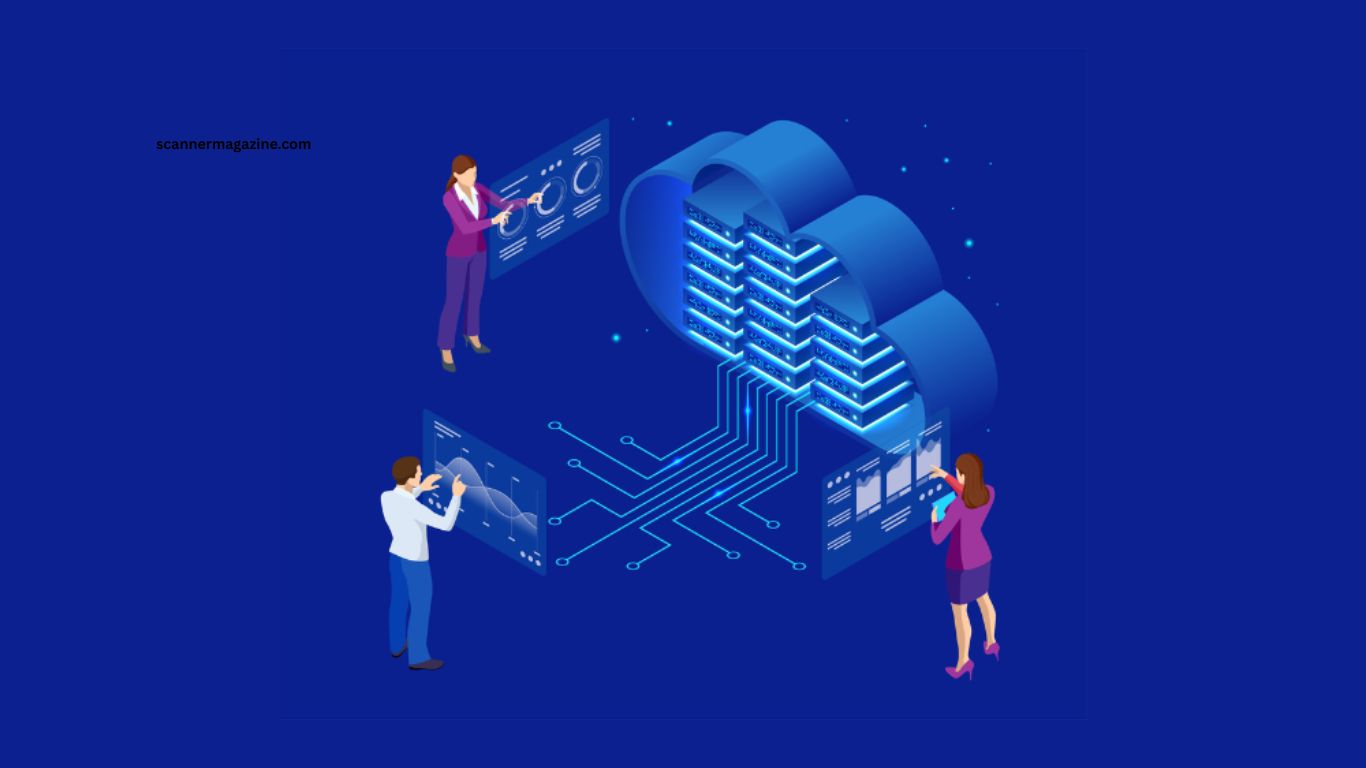
Cloud computing has become one of the most important technologies driving modern business success. Organizations of every size now rely on cloud platforms to improve productivity, reduce operational costs, strengthen security, and deliver better customer experiences. As digital transformation continues to accelerate, cloud computing innovations are creating new opportunities for companies to stay competitive in fast-changing markets.
Modern cloud solutions provide flexibility, scalability, and advanced technologies that were once available only to large enterprises. Artificial intelligence, automation, edge computing, serverless architecture, and hybrid cloud environments are reshaping business operations across industries. These innovations help businesses respond faster to customer needs while improving efficiency and supporting long-term growth.
Read More: The Rise of Smart Devices in Modern Living
Cloud Computing Continues Driving Digital Transformation
Businesses are rapidly replacing traditional infrastructure with cloud-based solutions because they offer greater flexibility and lower maintenance requirements. Cloud platforms allow organizations to access computing resources whenever needed without investing heavily in physical hardware.
This shift enables companies to launch new products faster, improve collaboration between teams, and manage operations from virtually any location. Cloud computing also supports remote work environments, making businesses more adaptable to changing workplace demands.
Artificial Intelligence Enhances Cloud Services
Artificial intelligence has become a major innovation within cloud computing. Cloud providers now integrate AI-powered tools that automate repetitive tasks, analyze large datasets, and generate valuable business insights in real time.
Companies use AI-based cloud services for customer support, predictive analytics, fraud detection, personalized marketing, and intelligent automation. These capabilities reduce manual effort while helping organizations make smarter decisions based on accurate data analysis.
Hybrid Cloud Solutions Improve Business Flexibility
Many businesses are choosing hybrid cloud environments that combine private infrastructure with public cloud services. This approach provides greater flexibility while maintaining control over sensitive business information.
Hybrid cloud solutions allow organizations to store confidential data in secure private environments while using public cloud resources for high-performance applications and scalable workloads. This balance improves efficiency without compromising security or compliance requirements.
Edge Computing Reduces Processing Delays
Edge computing is transforming cloud computing by processing data closer to where it is generated instead of sending everything to centralized data centers. This innovation significantly reduces latency and improves application performance.
Industries such as healthcare, manufacturing, retail, transportation, and smart cities benefit from faster data processing. Real-time decision-making becomes possible, improving operational efficiency and enhancing customer experiences.
Serverless Computing Simplifies Application Development
Serverless computing removes the need for businesses to manage servers manually. Developers can focus entirely on building applications while cloud providers automatically handle infrastructure management, scaling, and maintenance.
This innovation reduces development costs, shortens deployment times, and allows organizations to launch digital services more quickly. Businesses also pay only for the computing resources they actually use, making serverless computing highly cost-effective.
Stronger Cloud Security Protects Business Data
Cybersecurity remains a top priority for organizations using cloud technology. Cloud providers continue introducing advanced security innovations such as zero-trust architecture, multi-factor authentication, encryption, automated threat detection, and AI-powered security monitoring.
These security improvements help businesses protect sensitive information against cyber threats while meeting industry compliance requirements. Continuous monitoring and rapid threat response strengthen overall business resilience.
Multi-Cloud Strategies Increase Reliability
Businesses increasingly adopt multi-cloud strategies by using services from multiple cloud providers. This approach minimizes dependence on a single vendor while improving service availability and disaster recovery capabilities.
Multi-cloud environments allow organizations to choose the most suitable services for different workloads while reducing operational risks. Greater flexibility also helps companies optimize performance and control costs more effectively.
Cloud Automation Improves Operational Efficiency
Automation has become one of the most valuable cloud innovations for modern businesses. Automated resource management, software deployment, monitoring, and system maintenance reduce human error while improving operational consistency.
Businesses benefit from faster workflows, reduced downtime, and more efficient resource utilization. Employees can focus on strategic initiatives instead of routine administrative tasks.
Cloud Computing Supports Sustainable Business Practices
Sustainability has become an important consideration for organizations worldwide. Modern cloud data centers operate with improved energy efficiency and increasingly rely on renewable energy sources.
Migrating to cloud infrastructure often reduces energy consumption compared to maintaining traditional on-premises data centers. Businesses achieve environmental goals while lowering operational expenses and improving overall efficiency.
Future Cloud Computing Innovations
Cloud computing continues evolving with emerging technologies such as quantum computing integration, advanced artificial intelligence, intelligent automation, digital twins, and enhanced edge computing capabilities. These innovations will create even greater opportunities for businesses to improve productivity, strengthen security, and deliver personalized customer experiences.
Organizations that invest in modern cloud technologies today will be better prepared for future digital transformation and rapidly changing market conditions. Continuous innovation will remain a key factor in maintaining long-term business success.
Frequently Asked Questions
What is cloud computing?
Cloud computing delivers computing services through the internet instead of local servers.
How does cloud computing benefit businesses?
It reduces costs, improves flexibility, and increases operational efficiency.
What is a hybrid cloud?
A hybrid cloud combines private and public cloud environments for better flexibility and security.
Why is AI important in cloud computing?
AI automates tasks, analyzes data, and helps businesses make smarter decisions.
Is cloud computing secure?
Yes, modern cloud platforms use encryption, authentication, and advanced cybersecurity technologies.
What is the future of cloud computing?
Future innovations include AI integration, edge computing, quantum technology, and smarter automation.
Conclusion
Cloud computing innovations are transforming businesses by improving efficiency, increasing scalability, strengthening security, and enabling faster digital transformation. Technologies such as artificial intelligence, hybrid cloud environments, serverless computing, edge computing, automation, and multi-cloud strategies provide organizations with powerful tools to remain competitive.
