

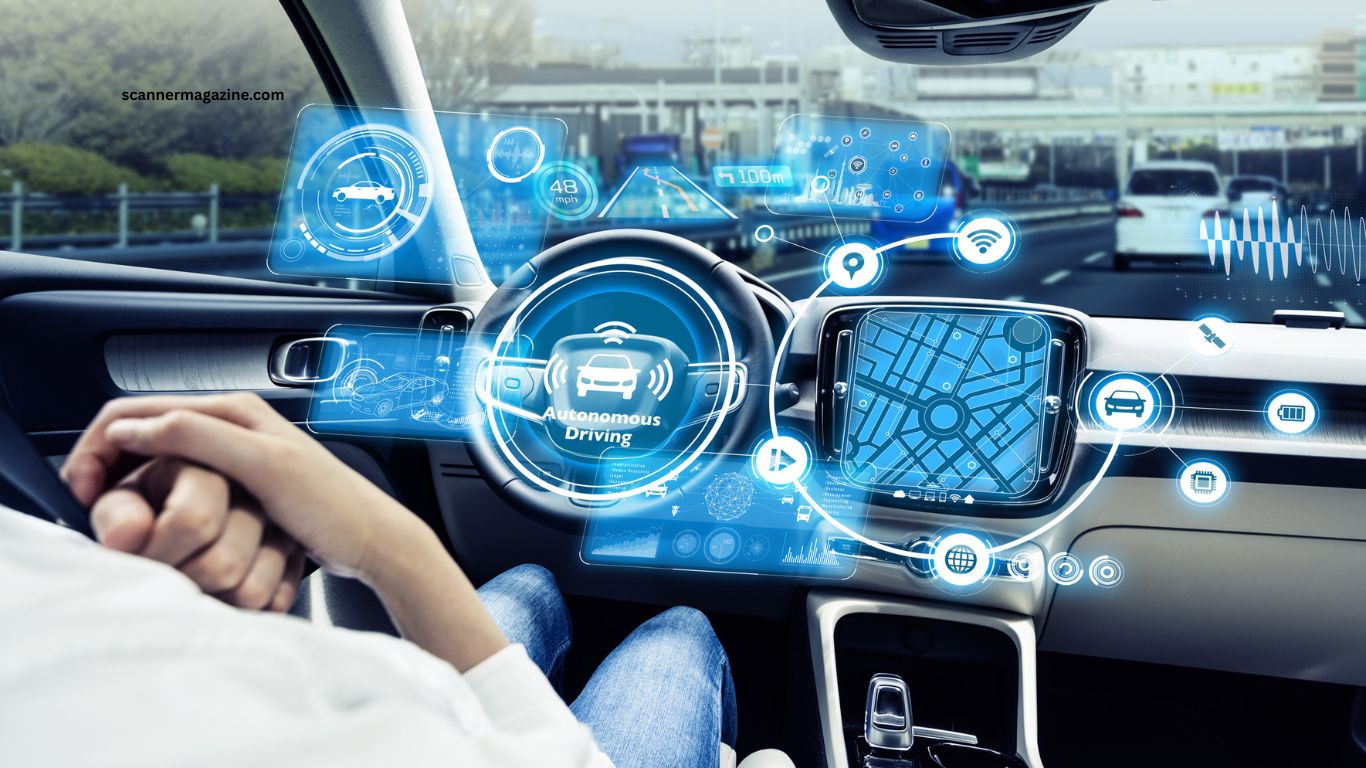
Smart technology continues transforming industries, economies, and daily life at an incredible pace. Artificial intelligence, automation, connected devices, advanced communication networks, and intelligent data systems create opportunities that improve productivity, efficiency, and decision-making across every sector. Businesses, governments, healthcare providers, educators, and consumers increasingly depend on innovative solutions that simplify complex tasks while improving overall experiences.
Global change driven by smart technology reaches far beyond convenience. Modern innovations support sustainable development, enhance digital communication, strengthen cybersecurity, improve healthcare outcomes, and create new career opportunities. Understanding these trends helps individuals and organizations prepare for future challenges while taking advantage of emerging possibilities.
Read More: The Next Wave of Innovation Every Tech Enthusiast Should Watch
Artificial Intelligence Reshaping Every Industry
Artificial intelligence remains one of the strongest forces behind global technological progress. AI-powered systems analyze massive amounts of information within seconds, helping organizations make accurate decisions with greater confidence. Companies use AI for customer support, predictive analytics, fraud detection, product recommendations, and workflow automation.
Healthcare organizations rely on intelligent algorithms for disease detection, personalized treatment plans, and medical imaging analysis. Financial institutions improve security through advanced fraud prevention systems. Manufacturing industries optimize production processes using predictive maintenance and quality control powered by machine learning.
As AI technology evolves, organizations continue discovering innovative ways to improve efficiency while reducing operational costs.
Internet of Things Creating Connected Communities
The Internet of Things connects smart devices through secure networks, allowing continuous communication between machines, sensors, and software platforms. Homes, offices, factories, and cities benefit from connected technologies that collect valuable information and automate everyday operations.
Smart homes offer intelligent lighting, climate control, security monitoring, and energy management. Industrial facilities improve equipment performance through connected sensors that detect maintenance needs before failures occur. Smart cities manage transportation, waste collection, water systems, and public safety more efficiently through real-time monitoring.
Growing IoT adoption supports better resource management while improving convenience and sustainability.
5G Networks Accelerating Digital Transformation
Faster internet connectivity plays a major role in global technological advancement. Fifth-generation mobile networks deliver higher speeds, lower latency, and greater reliability than previous communication technologies.
Businesses use 5G to support remote operations, cloud computing, virtual collaboration, and connected devices. Healthcare professionals perform remote consultations with improved video quality. Educational institutions expand online learning experiences through reliable digital platforms.
Improved connectivity enables future innovations including autonomous vehicles, smart manufacturing, and immersive digital experiences.
Cloud Computing Supporting Modern Business Growth
Cloud computing provides flexible digital infrastructure that supports organizations of every size. Businesses access powerful computing resources without investing heavily in physical hardware.
Cloud platforms improve collaboration by allowing employees to access files securely from any location. Organizations also benefit from automatic software updates, scalable storage, disaster recovery solutions, and improved operational efficiency.
The growing adoption of cloud technology enables businesses to remain competitive and respond quickly to changing market demands.
Cybersecurity Becoming Higher Priority
Rapid digital transformation increases demand for stronger cybersecurity strategies. Organizations store valuable customer information, financial records, intellectual property, and business data within digital systems that require continuous protection.
Modern cybersecurity solutions include artificial intelligence, behavioral monitoring, multi-factor authentication, encryption technologies, and real-time threat detection. Security awareness training also helps employees recognize potential cyber risks before attacks occur.
Strong cybersecurity practices protect digital infrastructure while building customer trust and business resilience.
Smart Healthcare: Improving Patient Care
Technology continues transforming healthcare through intelligent diagnostic tools, wearable devices, telemedicine, and electronic medical records. Patients receive faster diagnoses, personalized treatments, and continuous health monitoring through connected healthcare solutions.
Wearable fitness devices track heart rate, sleep quality, physical activity, and other health indicators. Doctors analyze collected information to identify health concerns earlier and recommend preventive care.
Healthcare innovation improves accessibility while supporting better patient outcomes across diverse populations.
Automation Increasing Workplace Productivity
Automation eliminates repetitive tasks and allows employees to focus on creative problem-solving and strategic decision-making. Businesses implement robotic process automation, intelligent software assistants, and machine learning systems to streamline operations.
Manufacturing industries improve production speed and product quality through automated assembly systems. Customer service departments deploy AI chatbots to answer routine inquiries while human representatives handle complex issues. Automation supports higher productivity without compromising service quality.
Sustainable Technology Supporting Environmental Goals
Environmental sustainability remains a major focus for technology developers worldwide. Smart energy management systems, renewable energy solutions, intelligent transportation networks, and eco-friendly manufacturing practices help reduce environmental impact.
Smart grids optimize electricity distribution while minimizing waste. Electric vehicles supported by intelligent charging infrastructure reduce dependence on fossil fuels. Advanced monitoring systems help organizations measure carbon emissions and improve resource efficiency.
Technology continues supporting global sustainability initiatives while encouraging responsible innovation.
Blockchain Expanding Beyond Cryptocurrency
Blockchain technology offers secure, transparent, and decentralized record management across multiple industries. Supply chain management, healthcare, finance, logistics, and government services increasingly explore blockchain applications.
Organizations improve transparency through tamper-resistant transaction records. Smart contracts automate agreements while reducing administrative costs and processing delays. Growing blockchain adoption strengthens digital trust while improving operational efficiency.
Future Outlook
Smart technology will continue influencing every aspect of society in the coming years. Artificial intelligence, advanced connectivity, intelligent automation, sustainable innovation, and secure digital infrastructure will shape future economies and improve quality of life worldwide.
Businesses investing in digital transformation today position themselves for long-term success. Individuals developing technology skills also gain valuable opportunities within evolving job markets. Continuous innovation will remain essential for addressing future global challenges while creating smarter, more connected communities.
Frequently Asked Questions
What is smart technology?
Smart technology uses connected devices, software, and artificial intelligence to automate tasks and improve efficiency.
Why is artificial intelligence important?
AI helps businesses analyze data, automate processes, and make faster, more accurate decisions.
How does 5G support smart technology?
5G provides faster internet speeds, lower latency, and reliable connectivity for smart devices and applications.
What role does IoT play in daily life?
IoT connects devices to improve home automation, healthcare monitoring, transportation, and energy management.
Why is cybersecurity essential?
Cybersecurity protects personal information, business data, and digital systems from cyber threats and attacks.
What is the future of smart technology?
Future innovations will focus on AI, automation, sustainability, intelligent healthcare, and smarter connected communities.
Conclusion
Smart technology trends continue driving global change through innovation, efficiency, connectivity, and sustainability. Artificial intelligence, cloud computing, IoT, cybersecurity, blockchain, automation, and advanced communication networks create powerful solutions for modern challenges. Organizations and individuals embracing these technologies will remain better prepared for future opportunities while contributing to a smarter, more sustainable digital world.
